


What is sweet itch?
Sweet itch is a medical skin condition in horses caused by an allergy to the saliva of female culicoides midges. Also known as Equine Insect Bite Hypersensitivity or Summer Seasonal Recurrent Dermatitis, it is the most common allergic skin reaction in horses, affecting around 5% of the population. Despite its misleading name, there is nothing “sweet” about sweet itch. The name is believed to have originated years ago, when the condition appeared more frequently during periods of high grass sugar levels. It was thought that the “sweet” grass worsened the irritation, and the name has remained in use ever since. In reality, the condition occurs because the biting midges trigger a hypersensitivity reaction in the horse. The horse’s immune system produces antibodies to bind the allergens in the midge saliva, which in turn stimulates inflammatory cytokines. This immune response causes swelling and intense itching, particularly along the mane and tail.
How to spot sweet itch in horses
Sweet itch is typically a seasonal condition, although symptoms often become more severe over time. While many horses are affected only during certain months, some may eventually show signs all year round. The highest risk period is between March and November, when biting insects are most active due to warmer temperatures and increased humidity. This is when signs are most likely to appear in horses. Horses predominately show symptoms at the base of the mane, withers, tail, face, and ears, although in some cases the condition can affect the whole body. The severity of symptoms varies widely -some horses react severely to just one or two bites, while others may show little or no reaction at all. Early diagnosis and treatment are key to managing sweet itch effectively. If you notice a horse or pony scratching, it is important to determine whether sweet itch is the cause. Many other allergies can produce similar clinical signs but are not related to midge bites. For an accurate diagnosis, it is always best to consult a vet. They may recommend intradermal allergy testing, which involves injecting small amounts of midge extract into the skin to observe any reaction. This test can also help identify other potential allergens, allowing you to narrow down the cause and plan appropriate management.
Signs to look out for
- Excessive rubbing, scratching or biting
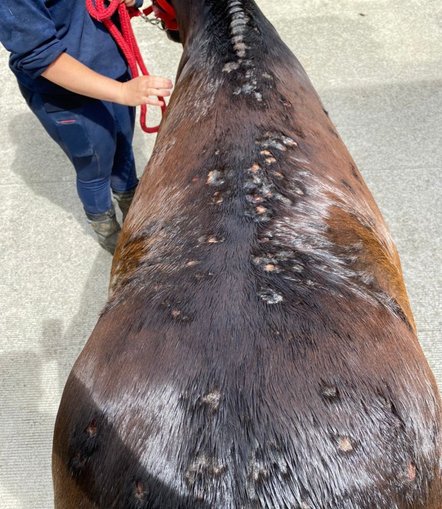
- Loss of hair and broken skin in affected areas
- Thickening of the skin, lumpy/scaley appearance
- Hair looks ruffled/rubbed
- Flaky dandruff, secondary skin infections
- Vigorous swishing of the tail
- Agitated behaviour, head shaking, and lack of enthusiasm
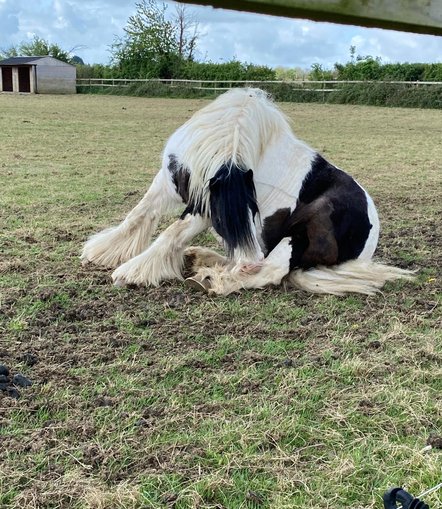
- Rolling more than normal and scratching on anything available
- Sitting like a dog and dragging themselves along the ground to scratch the belly area
- Lethargy with frequent yawning and a change of temperament
Prevention and Management
Unfortunately, there is no known cure for sweet itch, therefore the best treatment is prevention. In the lead up to spring and throughout the warmer months, there are lots you can do to stay on top of the condition and help make your equine more comfortable.

Our top tips for sweet itch problem solving
Location
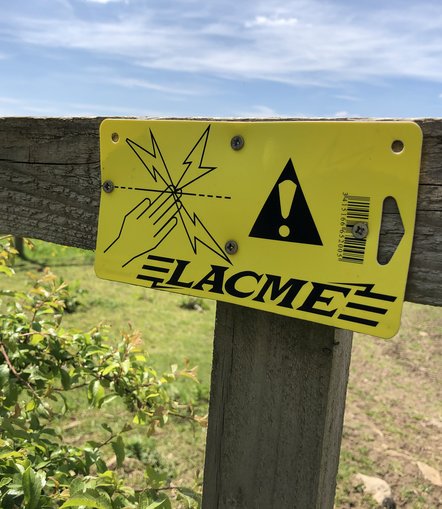
Where possible, avoid areas where midges thrive, such as stagnant water, ponds, marshy ground, and waterlogged or muddy fields where they lay their eggs.Areas that are naturally windswept such as coastal areas will have a reduced midge population than sheltered locations where the air is very still. Assess your paddock carefully, fence off unsuitable areas, and remove droppings regularly. Using electrified fencing can also be beneficial, as it reduces the opportunity for horses to rub and scratch on fences, which can worsen skin damage. If you are considering taking on a horse with sweet itch, it is also important to think about whether your location is suitable for managing the condition effectively.
Timing
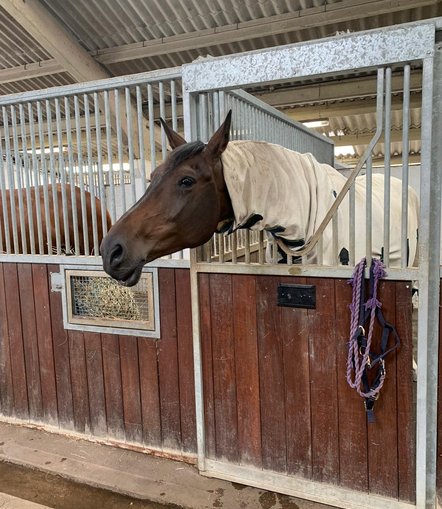
Biting insects tend to be most active at dawn and early evening so, if possible, try to keep your horse stabled, provide access to a field shelter or ensure they are in a suitable fly rug during these times. If your horse is stabled, then consider using fans as midges hate the wind! You can buy special mesh to cover stable doors and windows which can reduce or eliminate flies and midges coming into contact with your horse.
Barrier techniques
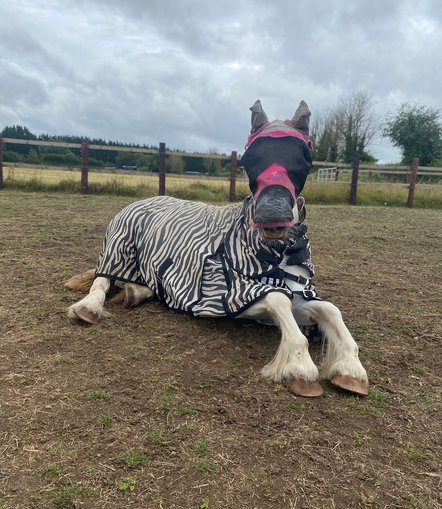
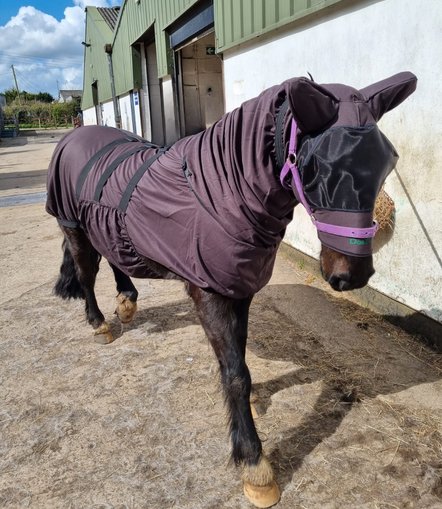
Using protective rugs, such as Boett blankets, helps prevent midges and other insects from landing on the skin. Invest in a good quality, full-body fly rug and consider purchasing at least one spare so you can wash and rotate them regularly. Fly rugs and masks with ear covers that protect as much of the horse as possible - including a belly flap - are the most effective. Zebra-print fly rugs have also been shown to reduce fly bites, as the thin, irregular stripes can confuse insects. For horses affected by sweet itch, consistent coverage is essential. Ideally, they should be protected with insect-proof material 24 hours a day throughout the midge season, although this should be assessed on a case-by-case basis each year. Commitment to rugging is key. In wet weather, use a waterproof fly rug or layer a rain sheet over the top of the fly rug to maintain protection.
Shampoos and skin care
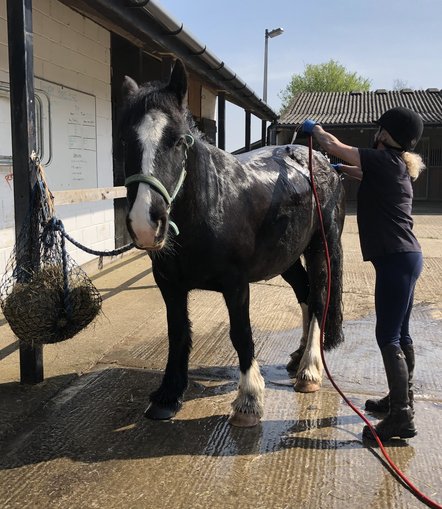
Although shampoos will not prevent midge bites, non-allergenic or medicated shampoos can help soothe irritated skin, reduce itching, and lower the risk of infection. Anti-itch shampoos can be particularly beneficial; look for ingredients such as oatmeal, antihistamines, or mild anaesthetics. Cold water or ice packs can provide immediate, short-term relief for particularly sore areas. Regular bathing can also help relieve symptoms, prevent scurf build-up, and keep the coat clean, shiny, and less attractive to irritants, improving your horse’s overall comfort.
Fly repellent
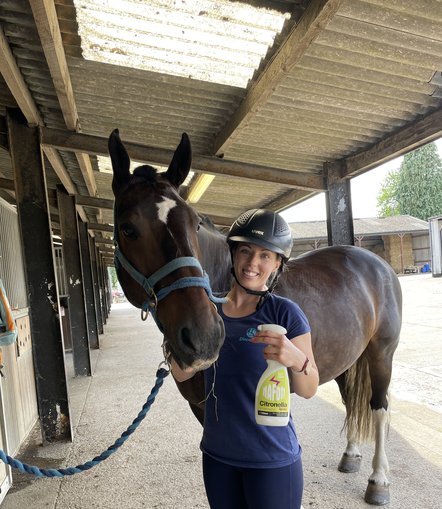
Those with pyrethroid or permethrin-based ingredients are often the most effective. DEET can also be effective, but it may cause soreness in some horses, so always test on a small area before applying it more widely. Do not use fly repellent on areas of broken skin. It is also important to apply fly repellent cream or gel to areas not covered by rugs, such as the sheath or teats. You can also use insect repellents designed for stables and field shelters to help reduce insect exposure.
Steroids and antihistamines
Steroids can offer relief from the clinical signs of sweet itch, such as skin irritation and itching, in the short to medium term. However, long-term use increases the risk of laminitis, so they are not a sustainable solution and should only be used if prescribed by your vet. Antihistamines may also help relieve symptoms, although they often need to be given in relatively high doses, and should likewise only be used under veterinary guidance.

Application of Switch
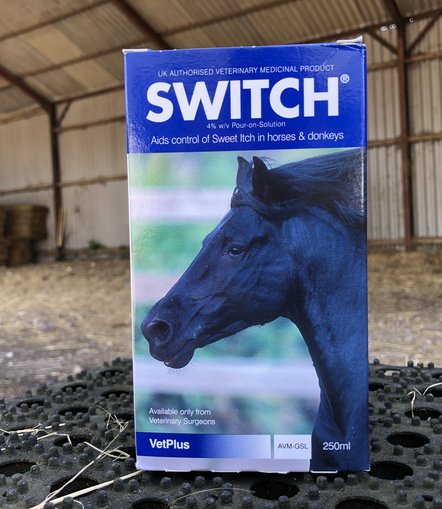
Switch for Horses is a ready-to-use solution to help control sweet itch. Treatment should begin at the start of the sweet itch season and be reapplied as necessary. It is applied at a rate of 1 ml per 10 kg of bodyweight, up to a maximum of 40 ml. The measured dose should be divided into roughly equal portions and applied to the mane and rump, avoiding the saddle area. This product must be prescribed by a vet.
Insol injections and supplements
Insol is given as a preventative measure for sweet itch. It is recommended that horses are given two injections, two weeks apart at the end of January or in February. Insol is a vaccination originally made for treating ringworm that has been found to improve sweet itch symptoms in some horses when given just ahead of the midge season. It varies how effective it is for each individual horse and needs to be prescribed and administered by a vet.
Research has also shown supplements containing omega 6/3 fatty acids, such as flax seed or evening primrose oil can be effective in reducing itching.
Different solutions and products will work for different horses so there will be some trial and error to find what is effective for your horse and your situation. A combination of preventative measures and taking appropriate action/treatment as soon as any signs develop will help to manage the problem and make life as comfortable for the affected horse as possible.
For more information, you can contact the sweet itch advice line run by Itchy Horse.