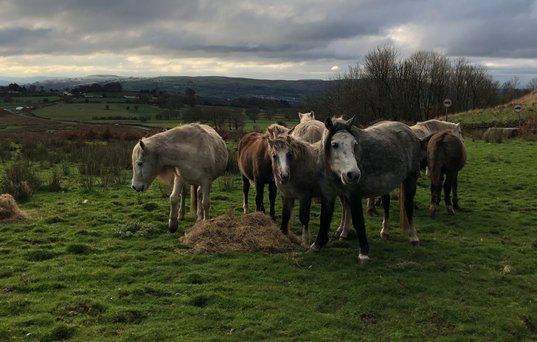

Members of the public play a vital role in helping to ensure horses are well cared for and that potential welfare concerns are identified and investigated. While some situations may look worrying at first glance, they are not always a sign of neglect. Understanding what is and is not a problem can help ensure horses receive the right support when it is genuinely needed.
Signs that a horse may need help
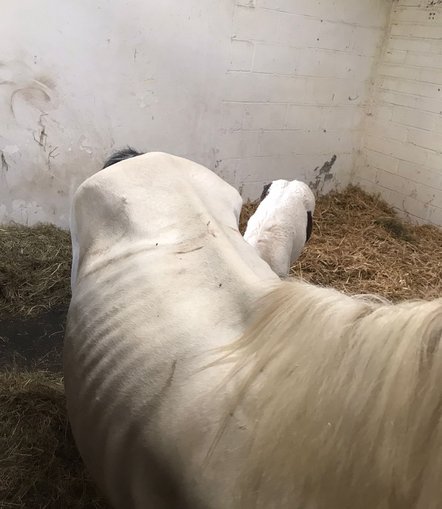
Underweight horses...
There is currently an obesity crisis among UK equines, so many people are used to seeing overweight horses. As a result, a horse that is at a healthy weight, fit, or well-toned may appear underweight to the untrained eye.
Signs of genuine concern include:
- A sunken appearance to the neck
- Clearly visible ribs across the entire ribcage
- A protruding spine and hips
Little or no food available...
Horses are grazing animals and will meet their forage needs if there is sufficient grass available. However, additional feeding may be required:
During very cold, wet or windy weather
In prolonged dry conditions when grazing becomes sparse
Native breeds and cobs often require less supplementary feed than finer types, so food availability should always be considered alongside the horse’s weight, breed and overall condition.
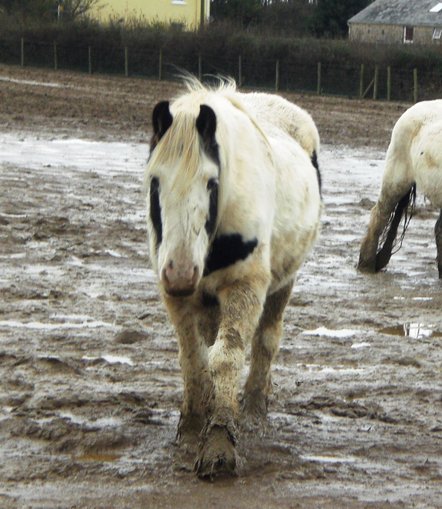
Poor ground conditions...
Horses kept on very small areas of land may experience severe poaching and deep mud. Prolonged standing in muddy conditions can be uncomfortable and lead to health issues. That said, some mud in winter is normal, particularly around gateways, water troughs and hay feeders.
Welfare concerns arise when:
Horses have no dry areas to stand or lie down
There is little or no remaining grass or hard standing
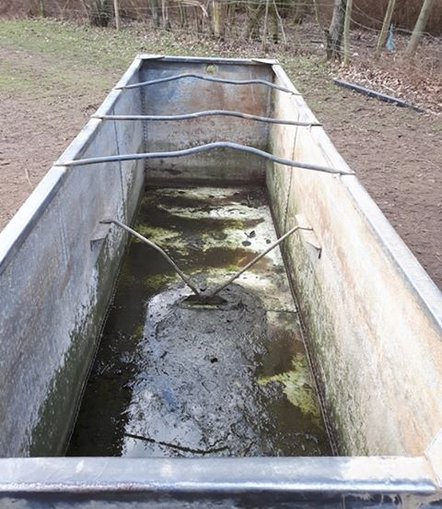
No water...
Assessing water availability can be difficult, as water troughs or buckets may be out of sight, or there may be a natural water source accessible from in the field. A lack of water can cause serious health issues and even death in a short period of time.
The risk is higher:
- During hot weather
- When large amounts of dry hay are being fed
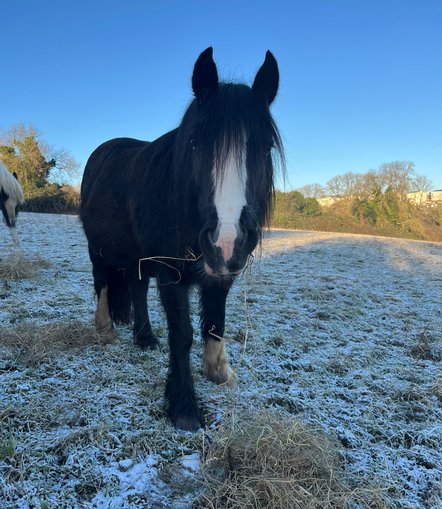
- In freezing conditions, when water sources may ice over
Injuries...
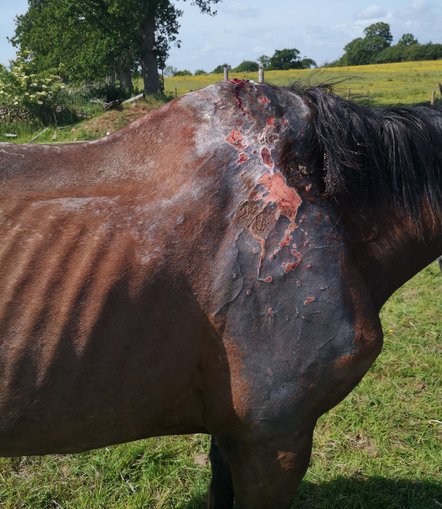
Signs that may indicate a horse needs urgent attention include:
Lameness or limping
Visible wounds or bleeding
Eye injuries
Extensive hair loss or swelling
Shelter...
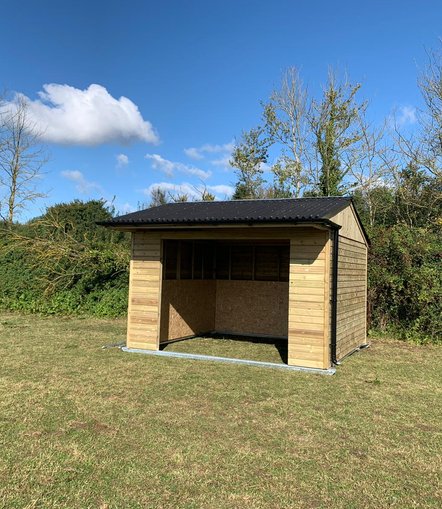
Most horses are able to live comfortably in a wide range of weather conditions using their natural coats and do not always require additional layers such as rugs. Natural shelter, including trees, hedges and dips in the land, can provide horses with protection from poor weather and is often sufficient.
However, during winter, a lack of shelter from persistent driving rain can become a welfare concern, particularly for horses that are underweight, elderly or very young. Horses will often shiver to keep warm, but this should stop once they are able to eat forage such as grass or hay. Prolonged periods of shivering or being forced to stand in very wet conditions with little room to move, no dry areas and no access to grazing or hay, can quickly become concerning. If there is no natural shelter available, horses may require additional support through access to a man-made shelter or appropriate rugging, depending on the individual horse and weather conditions. Prolonged periods with no shelter in wet weather can result in conditions such as rain scald. During hot weather, it is important that horses have access to shade during the hottest part of the day. This may be provided by trees, mature hedgerows or purpose-built shelters or buildings.
Overgrown hooves...
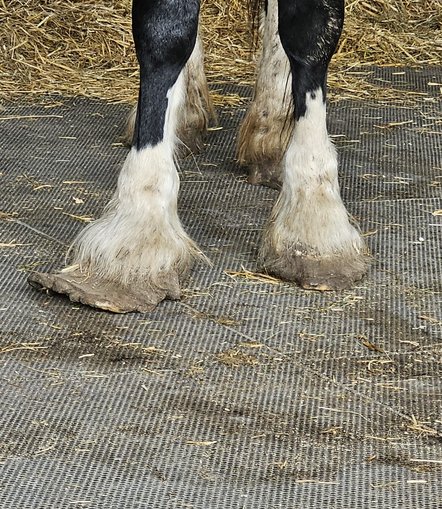
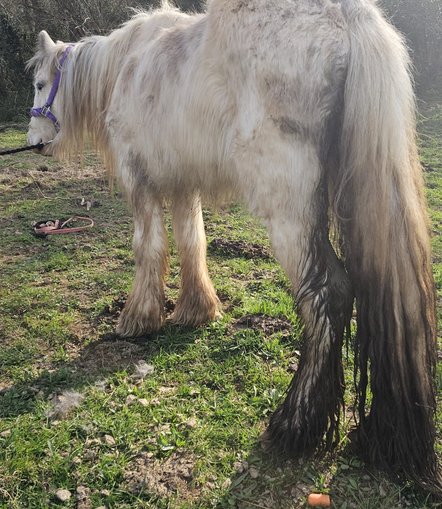
When not receiving appropriate hoof care and trimming, horses hooves will continue to grow and may present a welfare concern. Most horses require their hooves to be trimmed every 6-8 weeks by a competent and qualified farrier or barefoot trimmer, but when left for long periods, the hooves can suffer.
This can result in:
- Hooves that begin to curl upwards, putting pressure on the heels and affecting mobility
- Splayed hooves
- Chipped hooves where they have snapped off due to the length
Inappropriate hoof care can result in a horse becoming uncomfortable and may induce lameness.
Signs of illness...
A horse that is unwell may show:
- Thick, profuse nasal discharge (often yellow or custard-like in appearance)
- Chronic or severe diarrhea coating the hind legs and tail
- Reduced movement or standing in one position for long periods
- Lowered head
If a horse remains in the same spot for several hours, particularly if field companions move away, this could indicate injury or illness.
Horses typically lie down for only around 30 minutes a day. A horse that has been recumbent for a long time, or is repeatedly lying down and getting up, may need help.
Please note: foals and young horses sleep much more frequently and may often be seen lying down fast asleep and this is normal behaviour.
Poisonous plants and ragwort...
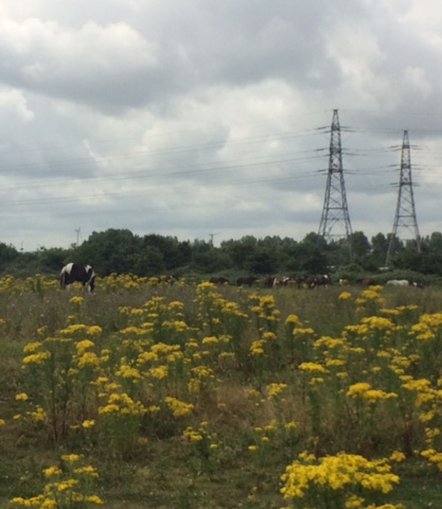
There are a number of plants and trees that are poisonous to horses. The one that most commonly causes concern is ragwort. This yellow flowering plant grows readily on rough or neglected land and, if eaten, can cause serious and irreversible liver damage in horses.
Ragwort has a bitter taste, so horses will usually avoid it when sufficient grazing is available. However, it may be eaten when grazing becomes very sparse or when the plant dies back at the end of the season, as it loses its bitter taste and becomes more palatable. If horses appear to be at immediate risk (due to significant ragwort growth and sparse grazing), a report can be made to an equine or animal welfare charity for investigation.
Under the Weeds Act 1959, landowners have a legal obligation to prevent ragwort from spreading to high-risk areas, defined as land within 50 metres of areas used for grazing or forage production. So for less urgent situations, if a landowner fails to take appropriate action to remove the plants, a formal complaint can be made to Natural England between 1 April and 30 September.
What to do if you are concerned about a horse
In an emergency:
If the situation is urgent, please contact your local police and the RSPCA. Most equine charities do not operate a 24-hour emergency service.
Examples of emergencies include:
- A horse involved in an accident causing injury
- Profuse or uncontrolled bleeding
- Severe lameness (unable to bear weight on a limb)
- Colic (often seen as repeated or frantic rolling)
- A horse trapped, for example in fencing
- A collapsed horse that is unable to stand
Horses straying on roads must be reported to the police immediately.
Non-emergency concerns:
If a horse appears unwell or has been involved in an accident, attempting to alert the owner, if known, can often be the quickest way to help.
For concerns about neglect:
- Contact a local equine welfare charity
- Provide as much information as possible, including the exact location
- If safe to do so, photographs can be extremely helpful in assessing the situation
If horses are on land owned or managed by the local authority, contacting the local council may alert the area’s Animal Welfare Officer (where applicable).
Tethered horses
Tethered horses often cause concern. While tethering is not illegal in the UK, it does come with welfare risks. Unfortunately, because it is a lawful practice, charities and police often have limited powers to intervene. A tethered horse must have access to food. Water may be provided periodically, as buckets can easily be knocked over.
Worried about a horse?
If you would like to report a non-emergency welfare concern, you can do so on our website. Alternatively, you can speak to a member of our team for advice by calling 01275832067 or emailing welfare@horseworld.org.uk.
Report a welfare concern