


Many equestrians find winter to be one of the most challenging times of year for horse ownership. While equine health care should be administered and monitored throughout the whole year, seasonal variations in winter can bring their own distinct set of challenges such as:
- Drops in temperature
- Wet weather
- Winter ailments
- Environmental considerations
- Dark nights/mornings
By understanding these risks and adapting management accordingly, horse owners and carers can support equine health, comfort and welfare throughout the colder months.
1.Drops in temperature
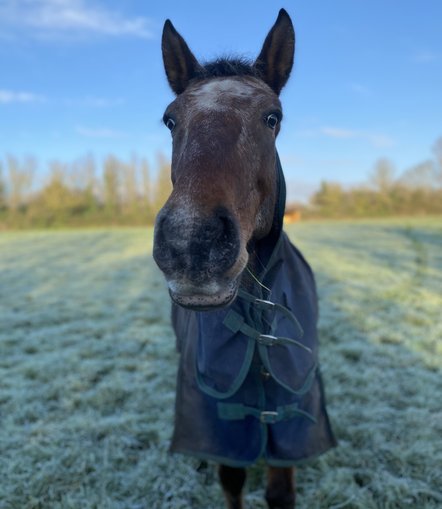
Horses generally cope with cold weather far better than humans, and just because we feel the chill does not automatically mean horses need extra help to stay warm. In fact, over-rugging is increasingly recognised as a man-made welfare concern, with the potential to cause overheating, skin scores (similar to rain scald) from sweating/rubbing, and even changes in behaviour caused by discomfort. Most horses are able to adapt their body temperature between 5°C and 25°C naturally, however some horses may require additional support if they fall into any of the categories below:
- Very young or elderly horses
- Clipped horses
- Horses exposed to extreme weather, such as persistent wind, rain or snow without adequate shelter
- Horses in poor body condition
- Horses with health issues
- Breeds with naturally finer coats, including Thoroughbreds and Arabs
If your horse fits any of these descriptions, or if temperatures consistently fall below 5°C, this may suggest a rug is appropriate. That said, every horse should be treated as an individual. Regularly checking your horse’s temperature and monitoring their body condition is essential to ensure they remain comfortable with or without a rug.
2. Wet weather
Wet, muddy conditions increase the risk of skin problems such as mud fever, a bacterial infection that develops when softened skin is exposed to prolonged moisture and friction. Horses with white legs, weakened immune systems, or long periods in wet ground are particularly at risk, and excessive washing can worsen the condition. Daily leg checks are key to early detection. To reduce risk, allow mud to dry before gently brushing it off, provide access to dry/hard-standing areas, use barrier creams, and monitor any leg protection to prevent rubbing. If mud fever develops, seek veterinary advice, keep the horse in a clean, dry environment, cleanse affected areas as recommended, and apply appropriate treatments while avoiding forced removal of scabs.
3. Common winter ailments
Winter conditions can bring a higher risk of several health issues in horses due to changes in weather, turnout, and management routines. Prolonged periods in wet, muddy conditions can lead to foot abscesses and thrush, making regular hoof checks and access to dry standing essential. Increased stabling may contribute to respiratory problems due to dust and poor air quality, so using low-dust bedding and good-quality forage is important. If hay is dusty, soaking it for around 30 minutes, feeding from the floor, or using a hay steamer can help reduce dust inhalation. If respiratory issues persist, veterinary advice should be sought.
Weight loss is also common in winter, so ensuring adequate forage intake and regular weight monitoring helps maintain healthy body condition. Horses should receive at least 1.5% of their body weight in forage daily, particularly when grazing is limited. Fibre plays a vital role in the equine diet by supporting digestion, providing warmth, and helping prevent issues such as gastric ulcers. Cold weather can worsen joint stiffness and arthritis, particularly in older horses, highlighting the need for regular gentle movement through in-hand walks and turnout. Using a weighband is a simple way to track your horse’s weight consistently. For more tips on maintaining body condition, see our guide to monitoring your horse's weight.

4. Environmental considerations
Cold winter weather affects many aspects of horse management, so routine field checks are essential for safety and wellbeing. Regular checks help keep horses safe, healthy, and comfortable during cold, challenging conditions. Key areas to monitor include:
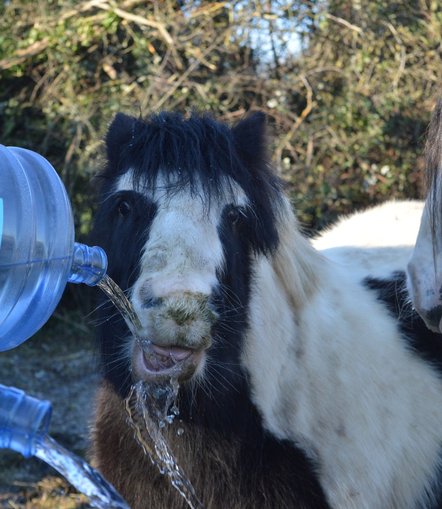
Water sources: Ensure water troughs and buckets are not frozen and horses can access water at all times. Prepare water containers in advance to fill manually. If possible, use lag pipes to reduce the chance of freezing.
Ground conditions: Check paddocks for holes, mud, ice, or frozen/rutted areas to prevent slips and injuries.
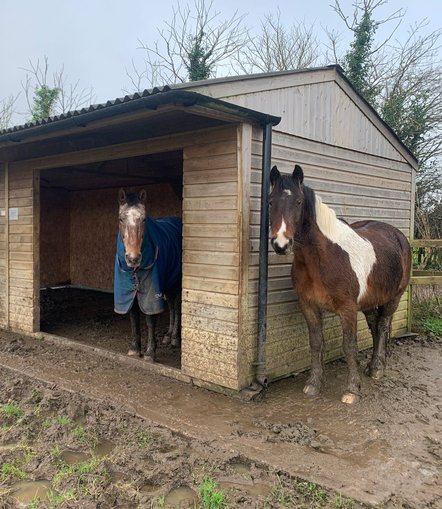
Field shelters: Inspect shelters to ensure they are safe, structurally sound and large enough for all horses.
Fencing and boundaries: Inspect for damage or gaps, especially where hedges lose foliage, and install temporary fencing if needed.
Poisonous plants: With limited grazing, horses may be more likely to forage on harmful plants. Inspect fields carefully and remove any dangerous vegetation.
Yard maintenance: Clear gutters and drains regularly to minimise flooding and waterlogging.
Icy conditions: Stock up on salt grit to keep yards and walkways safe for both horses and humans.
Feed and forage: Plan ahead to maintain sufficient supplies throughout winter.
5. Dark nights/mornings
Shorter days and long winter nights can make feeding routines more challenging, especially when handling feeds in low light. Preparing feeds during daylight saves time and ensures horses receive consistent nutrition safely. Regular checks, thoughtful management, and appropriate equipment are key to keeping horses comfortable, safe, and thriving throughout the colder months. Adapting routines to seasonal conditions and monitoring your horse closely helps both of you cope confidently with winter challenges.
Winter is a challenging time for horse owners, but with careful planning, regular checks, and thoughtful management, you can keep your horse healthy, safe, and comfortable throughout the colder months. By monitoring weight, managing footing and shelter, and adapting routines to seasonal changes, you and your horse can enjoy a safe, happy, and thriving winter together.