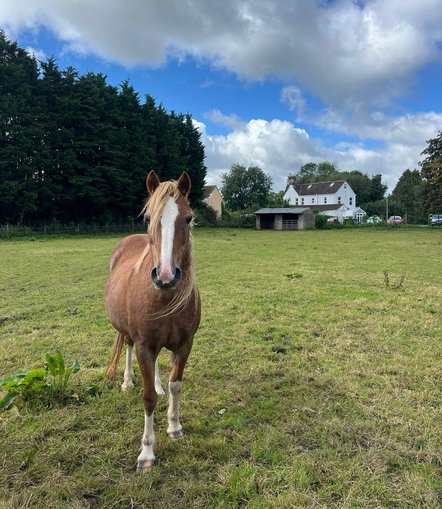

A multi-charity operation...
In 2023, HorseWorld took part in a multi-charity operation to rescue five semi-feral Welsh ponies who had been abandoned on a remote moor at Gelligaer Common. Working alongside several equine welfare organisations, the coordinated effort ensured 25 vulnerable ponies were brought to safety from the common land near Merthyr Tydfil. The five chestnut ponies who came into HorseWorld’s care had been running wild with no sign of responsible ownership. With sparse grazing and no human care, they were struggling to survive. When they arrived, they were malnourished, frightened, and completely unhandled. Their hooves were cracked, their coats in poor condition, and they were deeply wary of people. It was clear they had endured prolonged neglect.
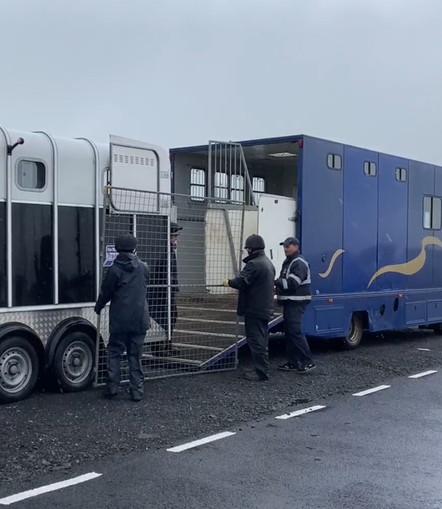


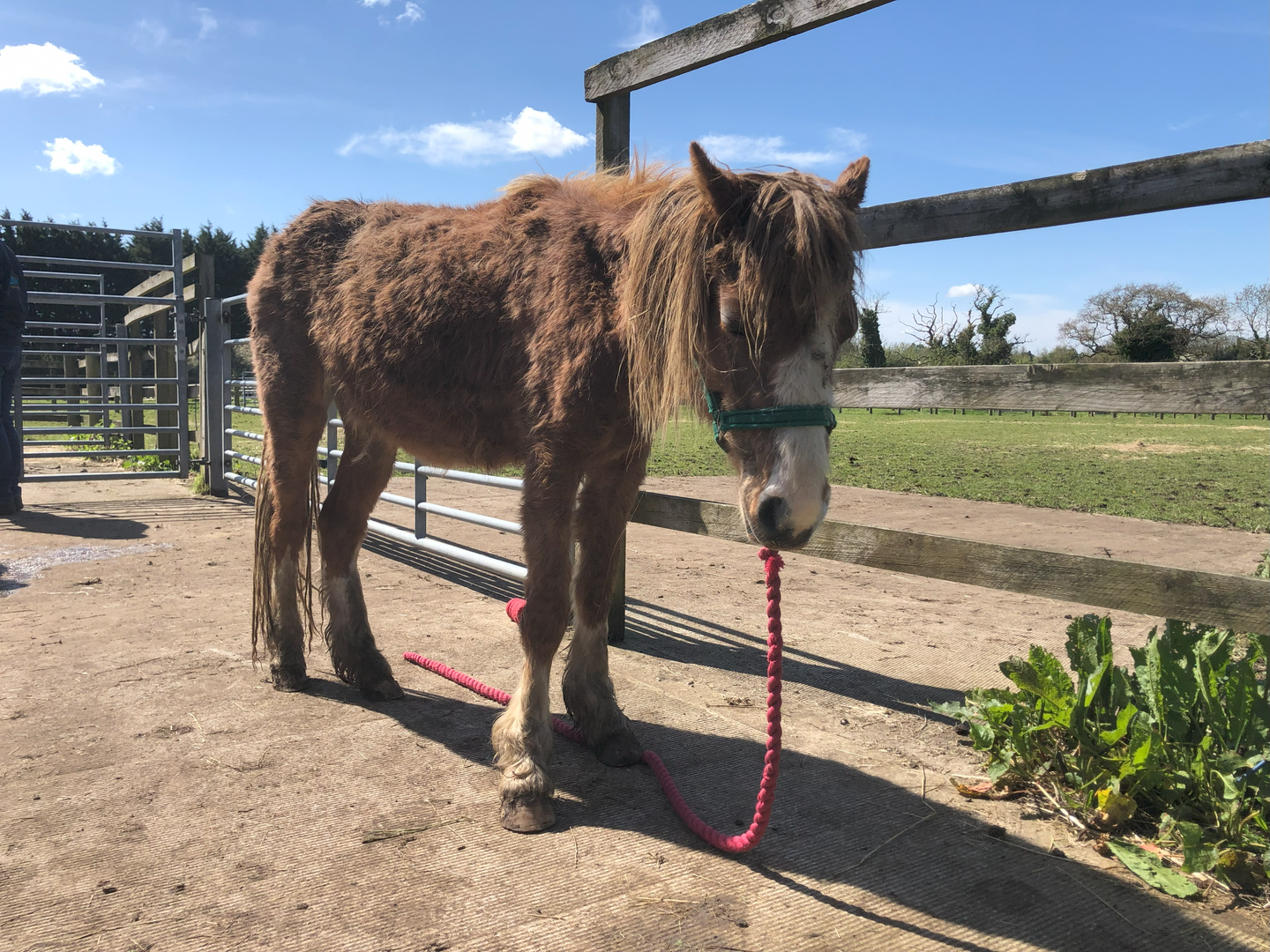
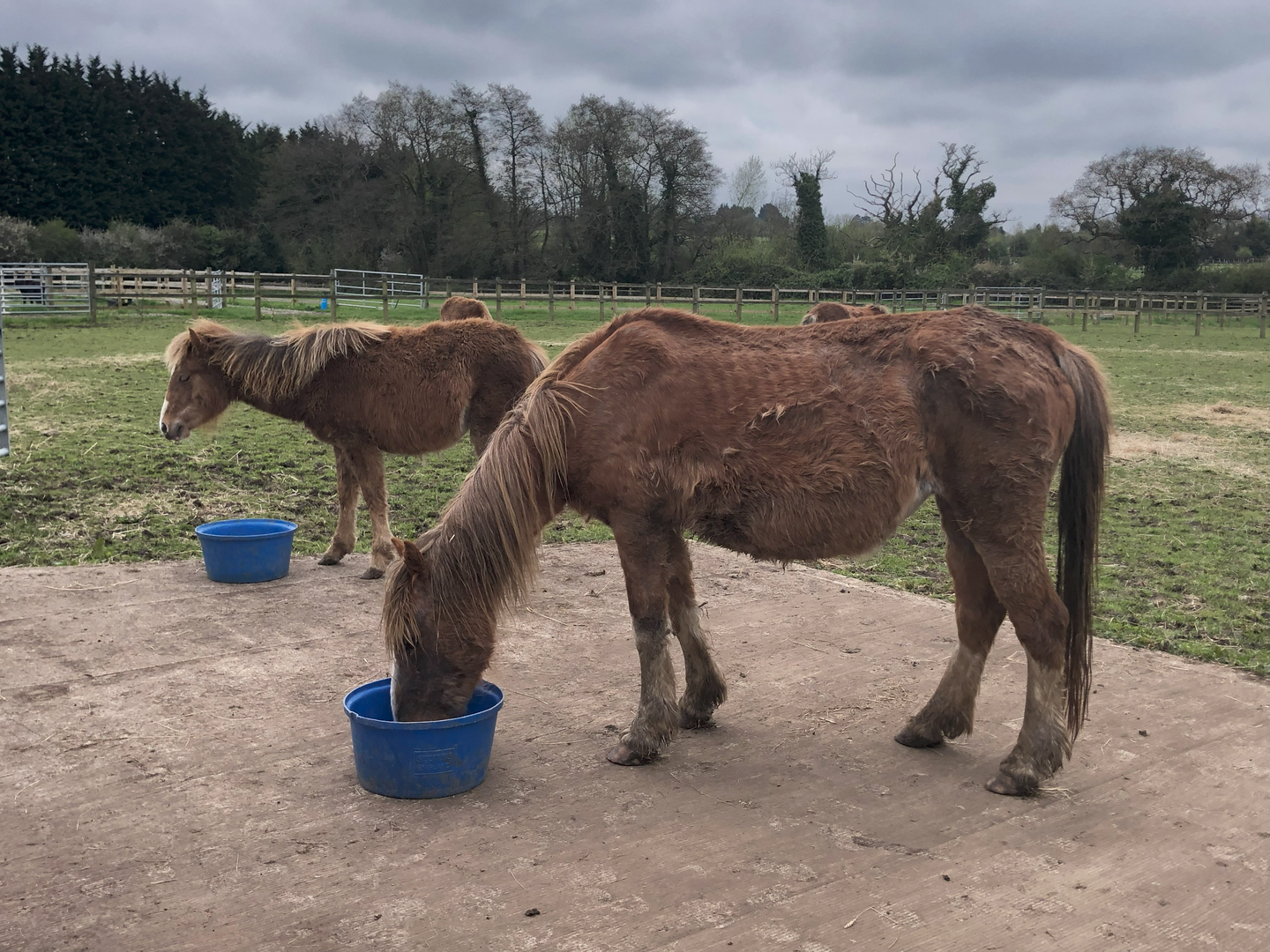
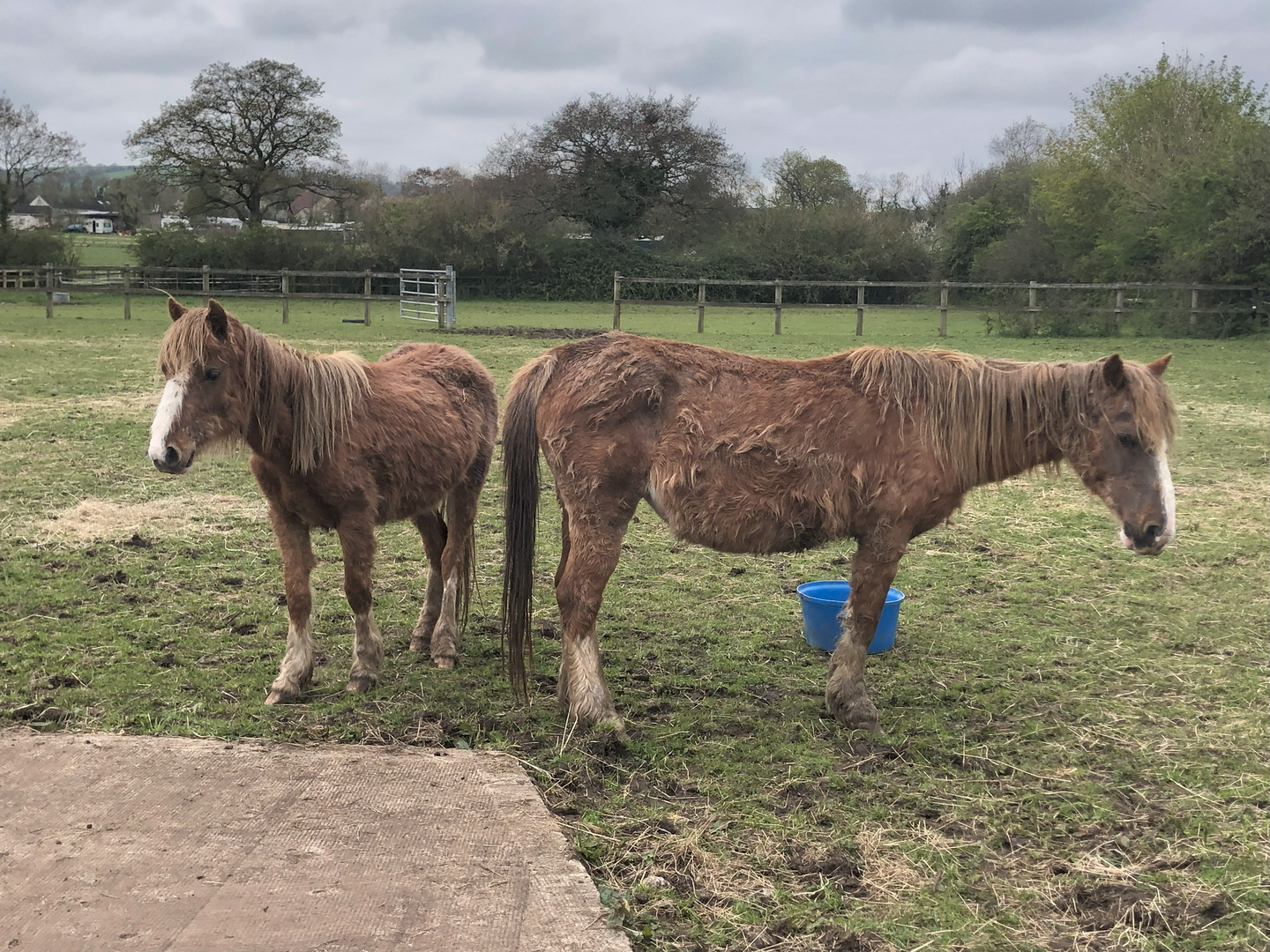

Use the arrows to scroll through the pictures of the P Ponies at the time of their rescue
New beginnings for the P Ponies...
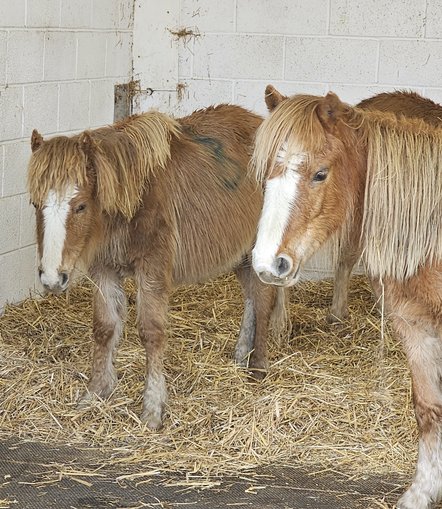
Once safely in our care, the five ponies were given time to settle into their new surroundings and begin their long journey of recovery. For the first time, they had consistent access to food, shelter, and safety. As part of giving them a true fresh start, we named each pony after foods beginning with the letter “P”. From that moment on, they became affectionately known as the ‘P Ponies’. Their names are:
- Pumpkin – the youngest, with a scraggly mane and a particularly nervous nature
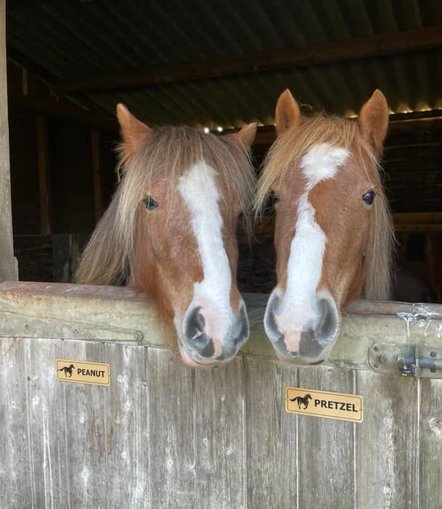
- Pretzel – approximately two years old on arrival
- Peanut – just six months old when rescued
- Peaches – around one year old, believed to be Plum’s previous foal
- Plum – the oldest mare, heavily pregnant when she came into our care
Because the ponies were initially part of an investigation into a possible prosecution case, we were unable to share their identities or details at the time. Sadly, no owner was ever traced and the investigation reached a dead end. While this meant there would be no court proceedings, it did allow us to finally tell their full story.
The road to recovery...
When the ponies first arrived, their fear of humans made even basic care impossible. For their own safety and to allow our veterinary team to properly assess them, we had to use sedation via dart gun so that they could receive a full health check. This enabled us to assess their body condition and treat any underlying issues, so we could create individual care plans without causing them further distress. With regular, nutritious feeding and careful monitoring, the transformation gradually began. Over the following weeks and months, the ponies steadily gained weight. Their dull coats began to shine, their energy improved, and their fragile condition slowly strengthened.
But rehabilitation wasn’t just physical — it was emotional too...
Rehabilitation and training...
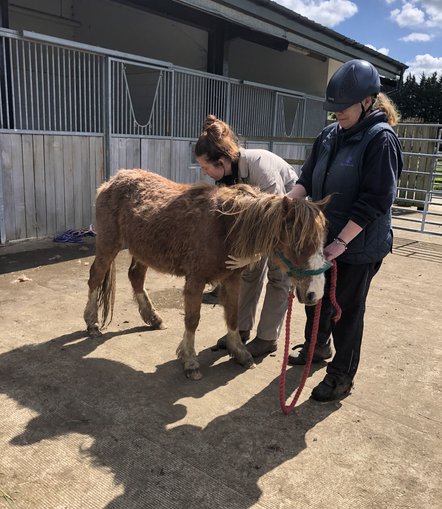
Having lived semi-feral lives, they were deeply wary of human contact. Our team introduced gentle, reward-based training using clicker training and positive reinforcement. Every small step forward, a glance in our direction, standing calmly near a handler, accepting a touch, was rewarded. Peanut and Pretzel quickly showed themselves to be the most confident and curious of the group. They responded particularly well to training and were the easiest to begin handling, often leading the way and giving the others reassurance. Their steady progress helped build momentum and gave the team hope during the more challenging days.
Step by step, the changes were remarkable:
- They began accepting food from buckets.
- They learned to tolerate gentle touch.
- Headcollars were introduced slowly and carefully.
- They stood quietly for short handling sessions.
- Gradually gained the confidence to be led by their handlers.
Trust wasn’t built overnight. There were setbacks, pauses, and moments where patience was tested. But with calm consistency and kindness, four of the five ponies made incredible progress. Gradually, they began to understand that people could bring comfort, safety, and care — not fear.
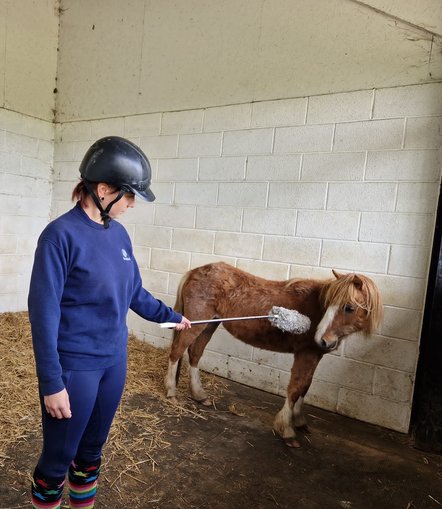

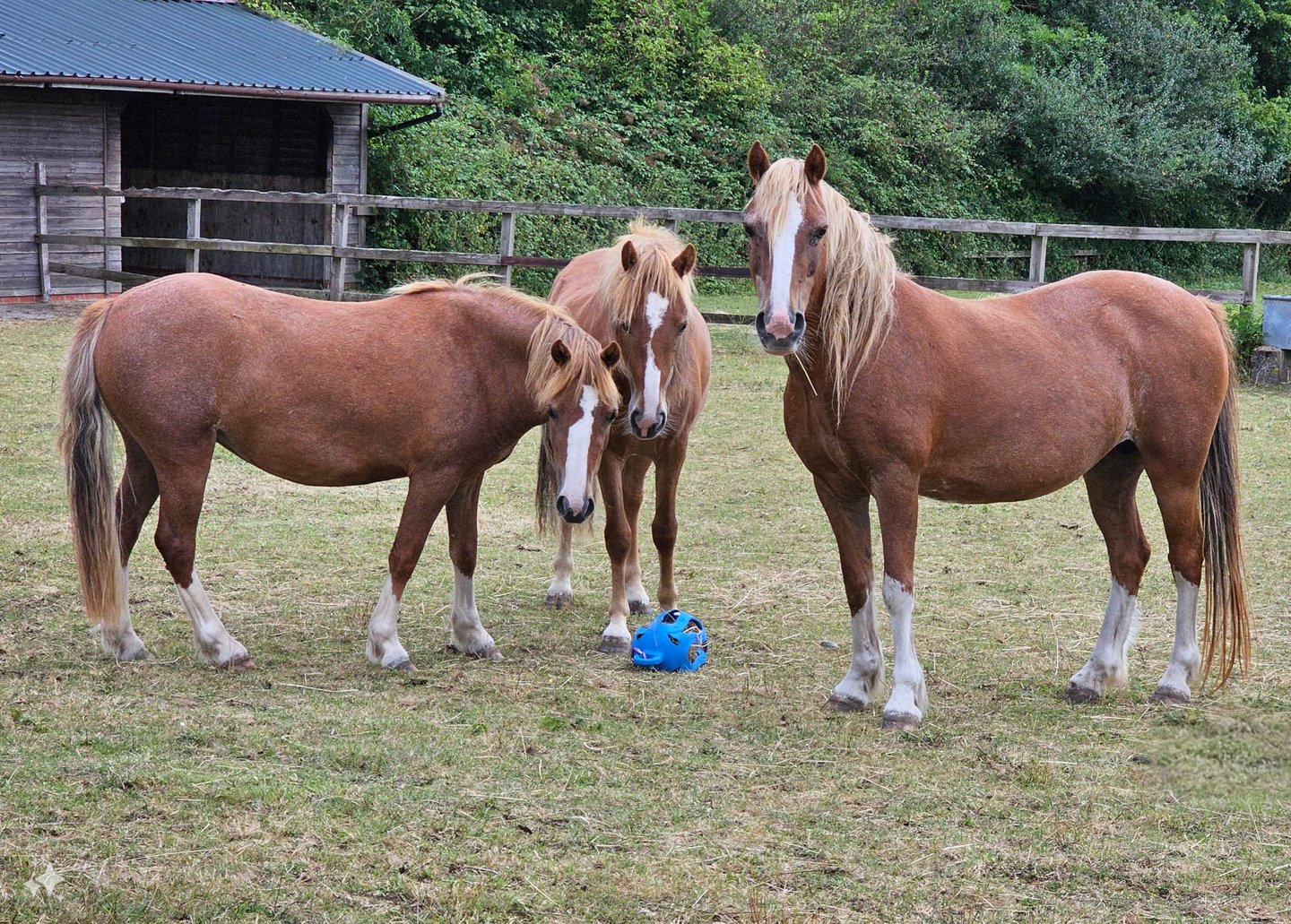

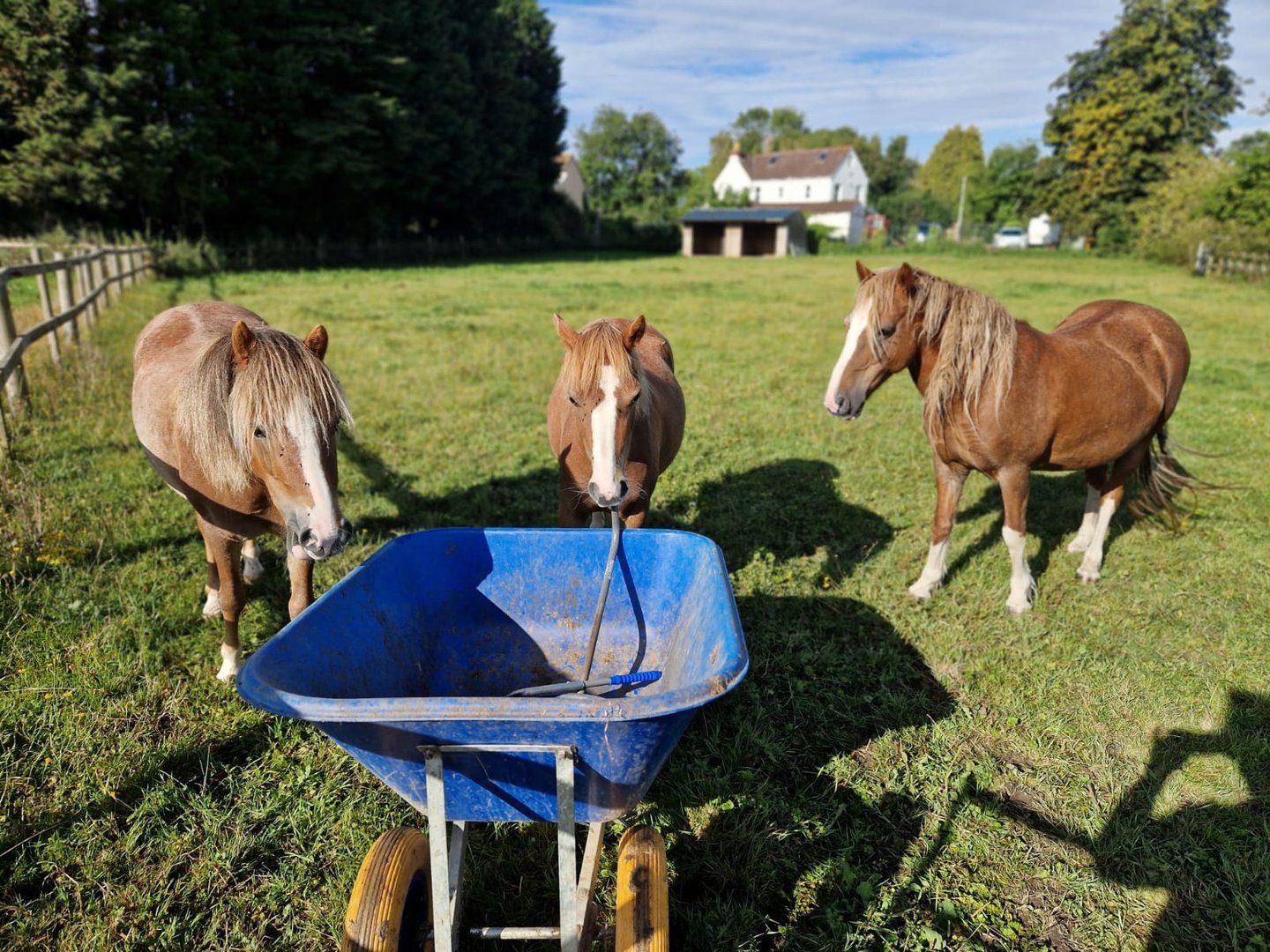

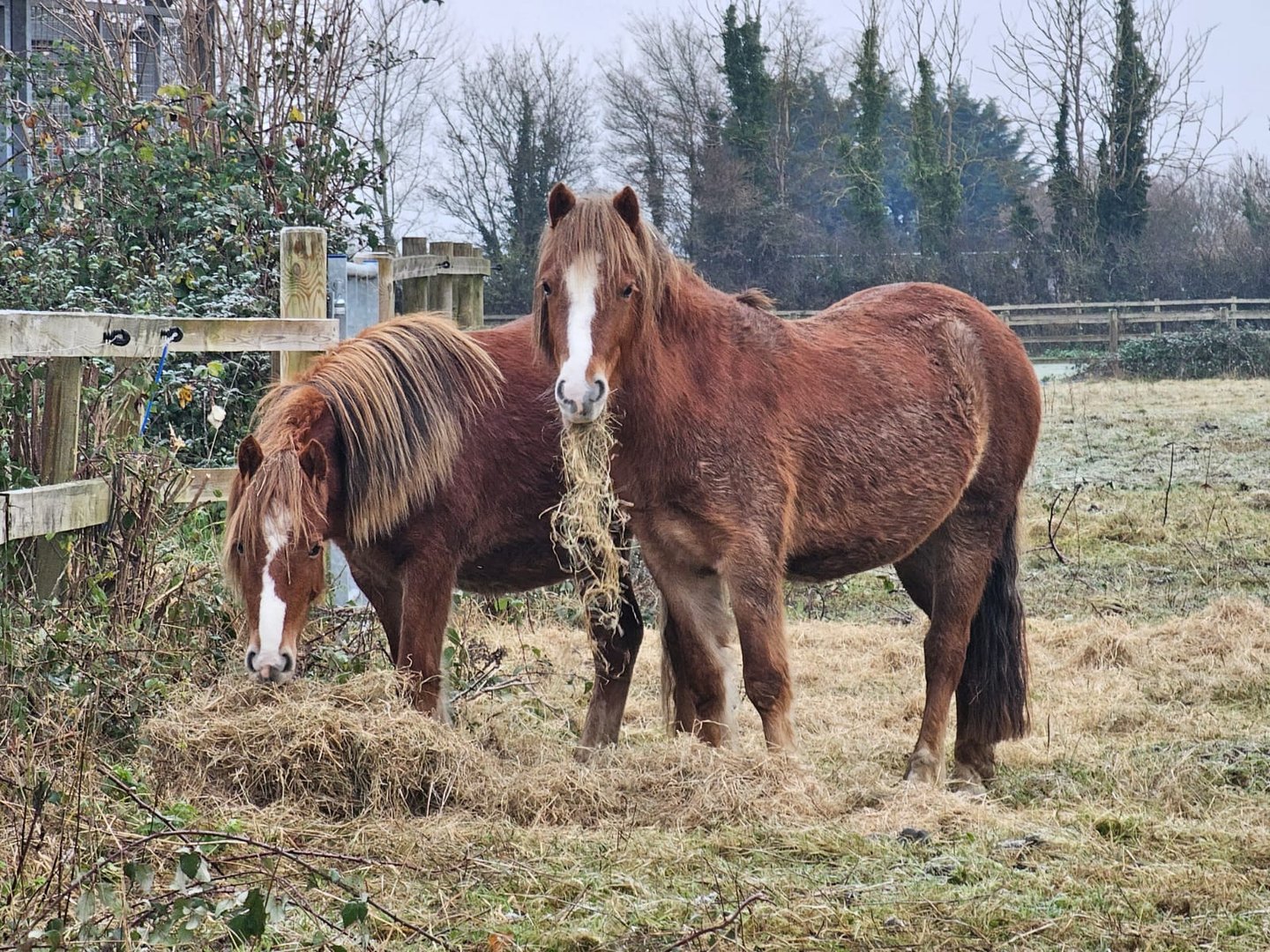


Use the arrows to scroll through the pictures of the P Ponies during their recovery and rehabilitation
Heartbreak for Plum and her foal...
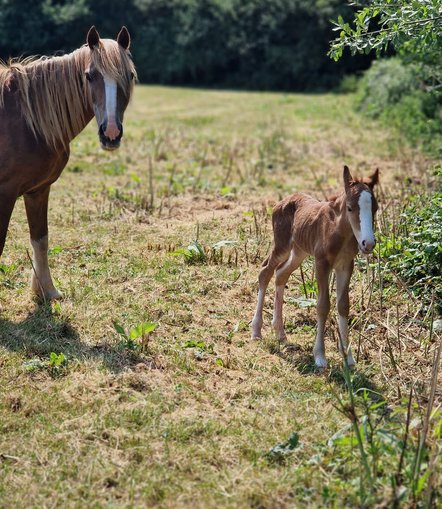
While the other ponies were beginning their rehabilitation, Plum’s pregnancy remained a constant concern. The neglect she had endured on the moor had already placed enormous strain on her body, and we knew her foal would face significant challenges. Under close veterinary supervision, Plum gave birth to a tiny filly who we named Damson. For a brief 24 hours, there was hope. She received round-the-clock care and monitoring, and our team did everything possible to support both mare and foal. Tragically, the effects of Plum’s poor condition during pregnancy proved too much for the fragile newborn. Despite the best possible veterinary intervention, Damson passed away overnight. It was a devastating loss for everyone involved. After all the progress being made with the group, losing the foal was a heartbreaking reminder of the lasting consequences of neglect. Plum had been failed long before she came into our care, and sadly her foal paid the price.
Rehoming the P Ponies...
As their confidence grew and their health improved, the next chapter for the P Ponies began — finding them safe, loving homes. Pretzel and Peanut, who had formed a close bond throughout their rehabilitation, were rehomed together so they could continue their journey side by side. Pumpkin, once the scraggiest and most nervous of the group, found a wonderful home, where his confidence continues to blossom. Peaches also successfully found her forever home and is thriving in a secure and structured environment where she receives regular one-to-one attention. Watching them leave for their new lives was an emotional milestone, it was proof of just how far they had come from their days of struggling to survive.
Saying goodbye to Plum...
Plum remained in our care for an extended period as we continued working patiently to build trust and safely manage her needs. Despite years of dedicated rehabilitation and expert handling, her deep-rooted behavioural challenges meant she remained unpredictable and posed a serious safety risk to staff. After two years of trying to help her adjust, we made the incredibly difficult decision to put Plum to sleep on welfare grounds. It was a heartbreaking outcome, but one made with her wellbeing and human safety at the forefront. While her story did not end as we had hoped, Plum’s life still mattered. Her journey, and the lives of the other P Ponies, highlights both the resilience of these ponies and the long-lasting impact neglect can have.