
An urgent call...
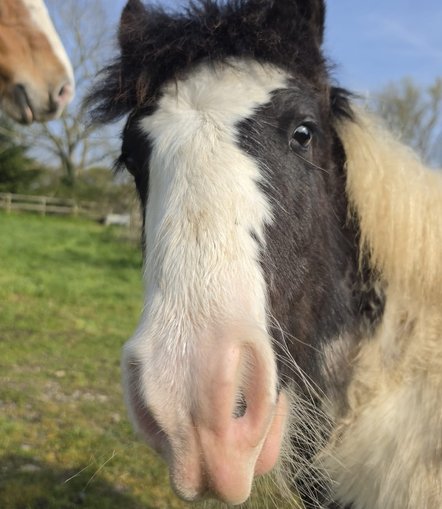
In March 2025, when the RSPCA requested assistance to catch three horses in extremely poor condition, the urgency of the situation was immediate. A veterinary assessment confirmed the severity of their suffering: all three mares were in poor body condition score (BCS) 1, severely emaciated, infested with lice, carrying heavy worm burdens and one was suffering from severe scouring.
Upon arrival to the rescue site, the full extent of their neglect became clear. The mares were living in filthy, unsafe conditions, visibly terrified and profoundly weak. Two were barely able to stand or move, their bodies depleted of almost all fat and muscle reserves. They were taken back to HorseWorld, but their chance of survival was uncertain.
A fragile start...
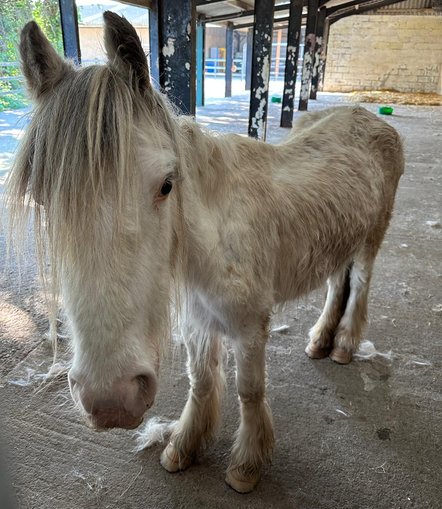
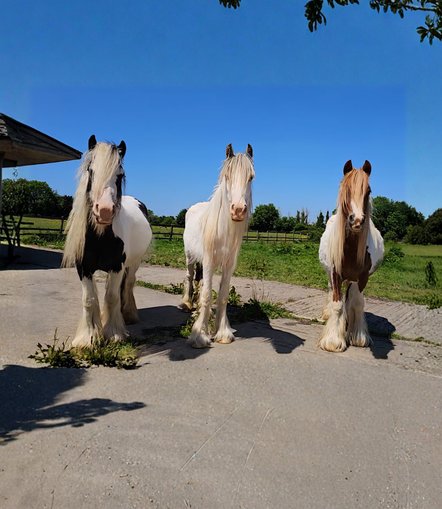
At HorseWorld, the mares were immediately assessed and placed under the care of the veterinary team. Their condition was critical, and the first priority was to stabilise them safely without causing further harm. It was during this time that they were given their cheese-themed names: Brie (grey), Halloumi (piebald) and Cheddar (skewbald), and quickly became known as the “Cheese Girls” or “The Cheeses.”
Specialist feeding plans were introduced to avoid refeeding syndrome, alongside treatment for parasites, lice and underlying illness. Every step had to be closely monitored, as their bodies were so fragile that even small changes could have serious consequences. For the first time in a long while, they began to receive the consistent care, nutrition and rest they so desperately needed, but the outlook remained uncertain in those early days.
A shocking discovery...
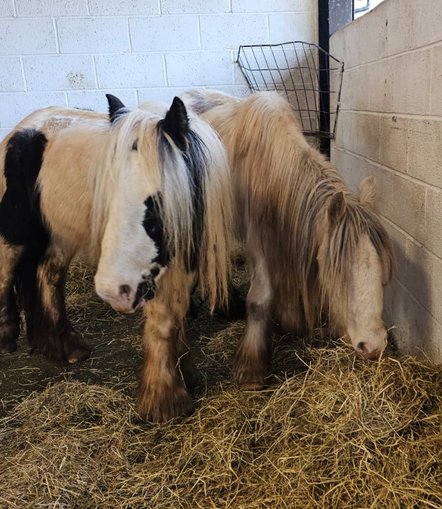
During veterinary assessment, a further discovery was made: both Halloumi and Cheddar were pregnant. This added a significant layer of complexity and concern to an already critical situation. Given their severe malnutrition and depleted body condition, there were serious doubts as to whether their bodies could sustain the pregnancies, and even greater uncertainty around the survival of the foals. Alongside them was Brie, who, although not pregnant, was suffering severely in her own right, with significant scouring further weakening her already critical condition.
A turning point...
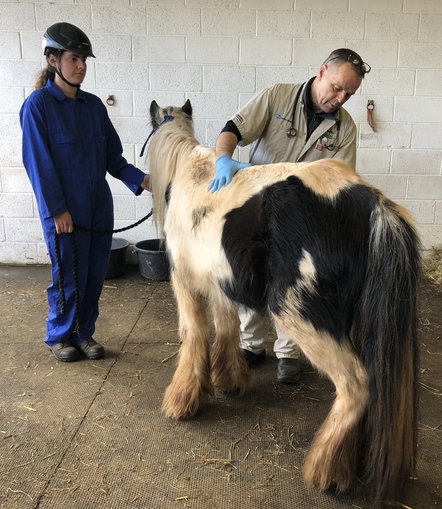
As the weeks passed, the mares began to respond to treatment. Halloumi and Cheddar gradually gained strength, their bodies slowly adapting to regular nutrition and care. The careful feeding programme continued, supporting their recovery while also supporting their pregnancies, despite the significant risks involved. Brie, who had arrived in a critical state, also began to show signs of improvement. As her scouring reduced and her strength returned, her transformation became increasingly evident. Once weak and withdrawn, she began to regain confidence and energy, marking a significant step forward in her recovery. Although progress remained cautious, these early signs of improvement were an important turning point in their journey, offering the first real indication that recovery was possible.
New life arrives...
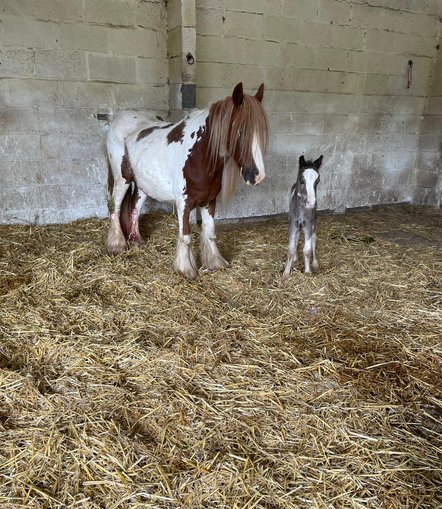
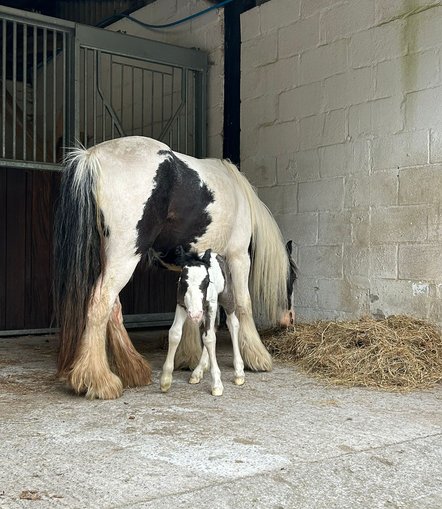
Against all expectations, both pregnancies progressed, and within days two foals were born. Camembert arrived first on 26 May 2025, followed by Red Leicester on 27 May 2025. Their arrivals marked a remarkable and emotional milestone in the mares’ recovery. Despite the extremely poor condition Halloumi and Cheddar had been in at the time of rescue, both successfully carried and delivered their foals, a testament to their resilience and the intensive care they received. The focus quickly shifted to supporting the newborns, ensuring they had the best possible start to life, while continuing to support their mothers through the final stages of recovery. Keeping with the cheese theme, the foals were affectionately named Red Leicester and Camembert (Bear for short).
Camembert's fragile start...
Halloumi had accomplished something remarkable by holding on to her foal despite the starvation and trauma she had faced, but the impact of her malnutrition was clear when Camembert was born. Camembert arrived just two months after his mother’s rescue, and was noticeably smaller than he should have been. He was born with bent legs and hooves measuring just two inches by two inches, leading to strong suspicion that he had been born prematurely. The first six months of Camembert’s life were dedicated to carefully strengthening and straightening his legs through specialist care, controlled exercise and ongoing veterinary support. His progress required patience and close monitoring, but gradually, he began to improve.
A moment to celebrate...
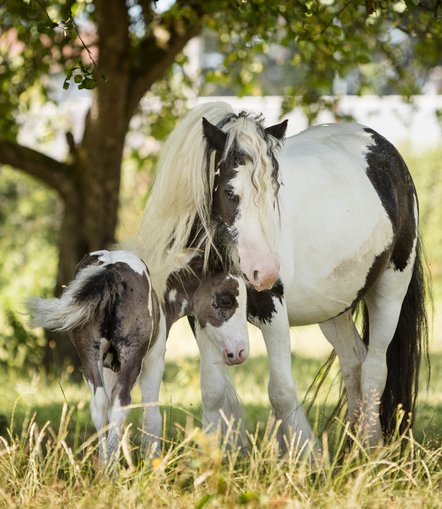
By the summer, the transformation in all three mares and their foals was truly remarkable. Where they had once been weak, emaciated and uncertain to survive, they were now thriving, stronger, healthier and full of life. To capture just how far they had come, they took part in a beautiful photoshoot with Jo Hansford Photography. The images reflected their incredible journey, showing happy, healthy horses who looked almost unrecognisable from the fragile animals first rescued just months before.
Halloumi and Cheddar proved to be attentive and caring mothers, nurturing their foals despite everything they had endured. Brie, meanwhile, stepped into the role of “auntie,” becoming a calm and gentle presence around the youngsters. She was a very good auntie, often seen watching over them and interacting with them gently - a role that highlighted just how far she had come from the critically ill mare she once was. It was a powerful moment, not only celebrating their recovery, but highlighting the resilience they had shown every step of the way.
A bright future...
As the months have passed, the foals have continued to grow into playful and curious youngsters, full of energy and character. Camembert, affectionately known as “Bear,” is still smaller than the other foals in his herd, but his legs have grown significantly stronger, and he continues to make steady progress. The mares and foals still live together as a herd, forming close bonds and enjoying the safety and stability they were once denied. Their behaviour now reflects contentment and confidence, a stark contrast to the fear and fragility seen at the time of their rescue. In December 2025, the person responsible for their neglect was successfully prosecuted, marking an important step in securing justice for the suffering these horses endured.