


HorseWorld calls for change - Children are paying the price of waiting
Throughout the UK, children with special educational needs and trauma are paying the price of waiting
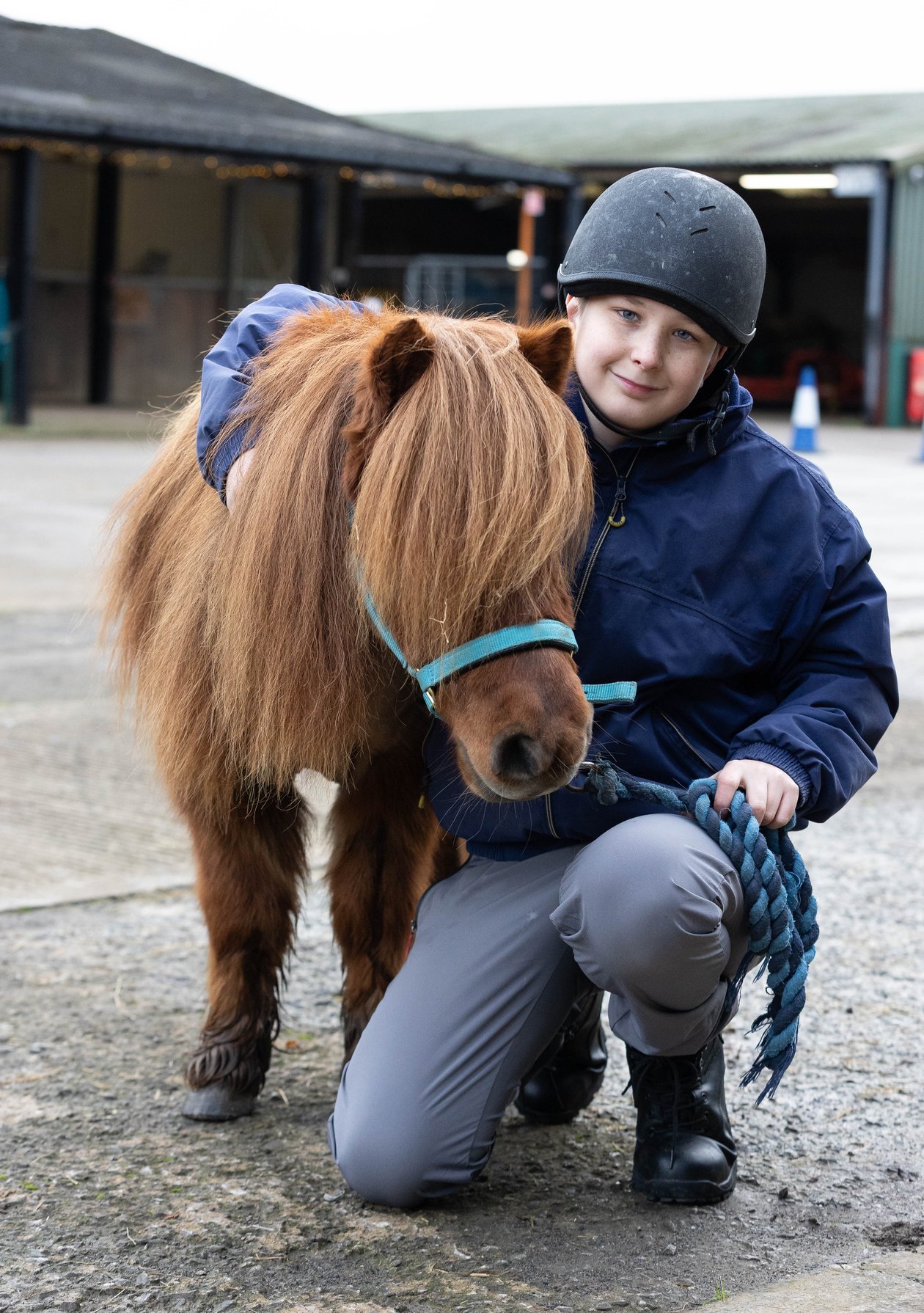
Charlie the Shetland pony pictured with Discovery student, Jayden.
Jayden waited for years. Diagnosed with autism and ADHD, he struggled with the transition to secondary school. His anxiety became so severe that, for almost two years, he barely left the house. Although still on roll, he wasn’t attending full-time. His mother began searching for alternatives as she felt they were going backwards.
They were waiting for assessments, waiting for diagnoses and waiting for Education, Health and Care Plans (EHCPs) that might never come. Waiting is often described as unfortunate but unavoidable. It isn’t; waiting is a consequence of policy — and it has consequences. Because waiting isn’t neutral — it causes harm.
The UK government’s new Schools White Paper outlines long overdue reforms that speak of earlier intervention, stronger mainstream inclusion and reducing reliance on statutory plans. Those ambitions matter, but if reform is to work it must prevent crisis — not simply manage it.
Early intervention in practice
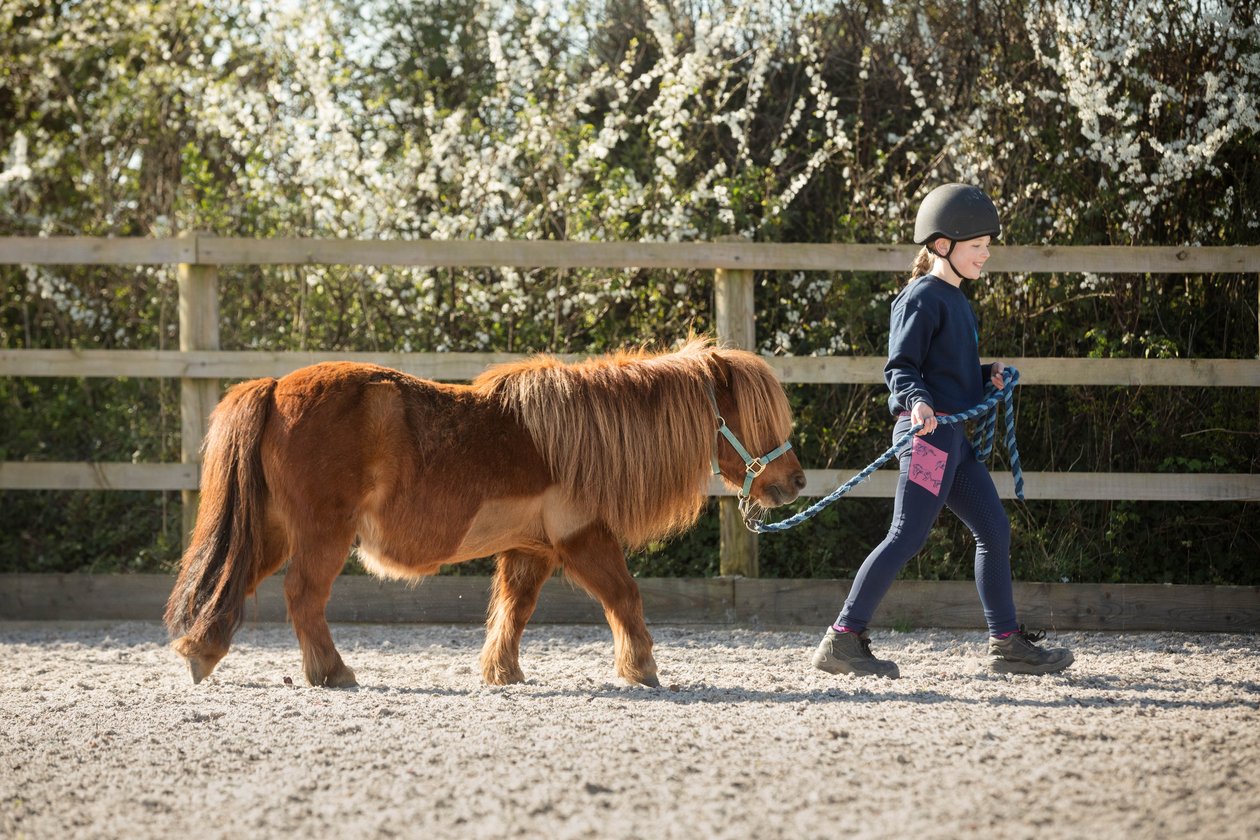
Our Discovery programme at HorseWorld has been quietly delivering results through early intervention for nearly two decades. HorseWorld Discovery is a specialist equine-assisted learning programme - held at our rescue site - for children struggling in mainstream education. Many of them are neurodivergent, living with trauma, and at risk of exclusion. Around 300 young people each year take part in a structured six-week programme.
Through Discovery, they work one-to-one with rescued horses and specialist facilitators, building regulation, confidence and the foundations needed to re-engage with learning.
This is not enrichment — it’s structured, outcome-focused intervention, and the results can be transformative.
“You cannot teach a child who doesn’t feel safe,” says Kayleigh, one of the facilitators. “Regulation has to come before learning.” That principle becomes even more important as responsibility shifts further into mainstream schools.
Inclusion can’t simply mean expectation. It must be matched by specialist support that helps young people regulate, re-engage and return to education.
For Jayden, that support made a tangible difference. He’s now in his second term at Discovery. His confidence is growing in all areas of his life, and his education attendance is up. Activities that once felt overwhelming are becoming possible again.
For parents, the cost of waiting is painfully clear
Paul’s daughter, Amelie, was self-harming and deeply depressed before joining Discovery. “It didn’t look like there was any way out,” he says. Amelie connected with the rescued horses because, as Paul explains, “she knows they’ve been through a lot, too — just like her”.
Most of our rescued horses have experienced neglect or mistreatment before rehabilitation. By giving these horses a meaningful role in early intervention, it ensures their long-term relevance and protection in modern society. For young people living with trauma, that shared story can be powerful.
Rachel’s son Charlie had been out of school for more than two years. Discovery became the turning point. “From the first session, he knew someone was there for him,”
Rachel explains. “He lived from session to session.” Charlie now uses the regulation strategies he learned through Discovery when he feels overwhelmed — skills he carries back into everyday life.
Reform must be matched by readiness
The ambition to strengthen mainstream inclusion is welcome, but mainstream schools are already under strain. They can’t absorb rising levels of complex need overnight without specialist partners and properly funded early intervention pathways.
If we reduce reliance on statutory plans without scaling preventative provision, we risk creating a new form of waiting — this time inside overstretched classrooms.
Waiting appears cheaper only because the costs are hidden — shifted into mental health services, exclusion, crisis intervention and long-term disengagement.
At Discovery, we know early intervention works. The question is whether it will be sufficiently funded and scaled to reduce the current crisis — so that children like Jayden don’t have to reach breaking point before support arrives.
See early intervention in action
Watch the short film about HorseWorld Discovery, narrated by Lord Marvin Rees of Easton OBE.