
The History of HorseWorld
For centuries, horses played a vital role in everyday life across Britain. Just over a hundred years ago they were essential on our streets, farms, railways and canals. Strong, reliable and central to transport and industry, no one could imagine life without working horses. It is difficult today to picture a city such as Bristol before the constant roar of motor vehicles. Before cars dominated the roads, the streets echoed with the rhythmic clatter of horses’ hooves and the tolling of church bells.
The Decline of the Working Horse
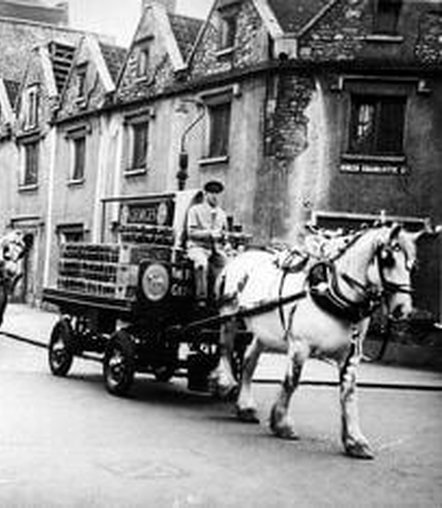
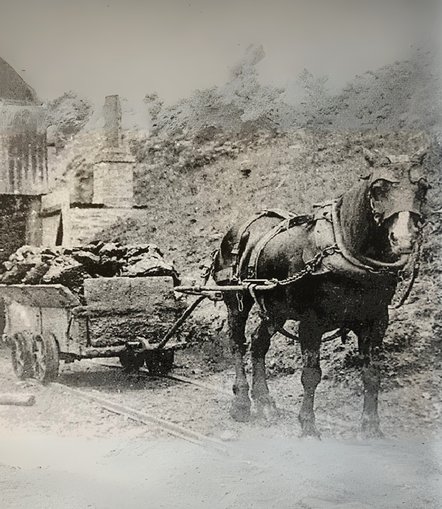
After the First World War, the use of horses began to decline as mechanised transport became increasingly common. The Second World War briefly extended their working lives, as several million horses were used in battle and to supply troops on the Western Front. By the 1950s, the end of the working horse era was in sight. In Bristol, horses were still used by the Western Region of the newly nationalised British Rail and by the Bristol Corporation. Local coal merchants, milkmen and greengrocers also relied on their horses for delivery rounds, and many customers knew these horses by name. The railways were among the largest users of working horses. At its peak in 1913, the Great Western Railway owned around 30,000 horses across Britain. By 1945, this number had fallen to around 9,000. Several years later, the railway announced plans to convert entirely to motorised transport, which meant closing all the stables. Many of the hardworking horses faced an uncertain future.
The Founding of HorseWorld
HorseWorld’s founder, Mabel Cocksedge, worked for the railway at Bristol Temple Meads. She spoke daily with the carters who cared for the horses and shared their deep concern about what would happen once the stables closed. Many horses were at risk of being sold for meat. Determined to give these loyal animals a safe and dignified future, Mabel joined with Alderman Knight and Reverend Ian Murdoch to create the Friends of Bristol Horses Society — the organisation that would eventually become HorseWorld. Their mission was simple: to rescue working horses from slaughter and give them a long, happy retirement.
A Growing Charity
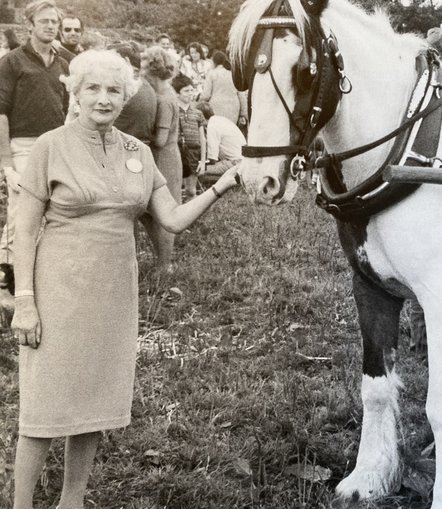
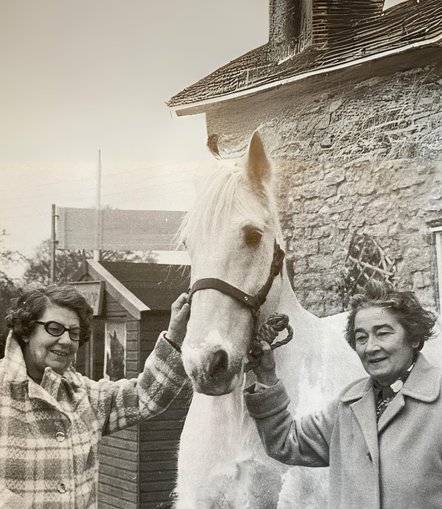
A year later, two remarkable women, Marjorie Pelling and Madge Checkley, joined the charity after seeing a photo of a rescued horse in a local newspaper. They became central to the charity’s work and dedicated the next 45 years of their lives to running and expanding the organisation. In 1960, Reverend Murdoch sold his half of Staunton Manor Farm to the society for £2,500 — far below its market value. At the time, the other half of the farm was owned by a garden tools company. This purchase marked a huge turning point, giving the charity a proper home after years of housing rescued horses on small plots of land owned by supporters. Within just three months, the once-derelict property was restored and ready to welcome horses. Marjorie and Madge moved into the farmhouse, and the farm was officially opened later that year by Lady Cadbury.
Moving to Keynes Farm
By the late 1960s, the original 11 acres at Staunton Manor Farm were no longer big enough to care for the increasing number of rescued horses. As the charity’s work grew, more space was urgently needed for grazing, stabling, and rehabilitation. When the neighbouring Keynes Farm became available, the society seized the opportunity. The larger property provided the room and facilities essential for expanding the rescue operation and offering horses a safer, more comfortable environment. This move marked a major step forward in the charity’s development, and Keynes Farm remains HorseWorld’s main base to this day, supporting the rescue, care and rehabilitation of hundreds of horses, ponies and donkeys.
HorseWorld's Visitor Centre
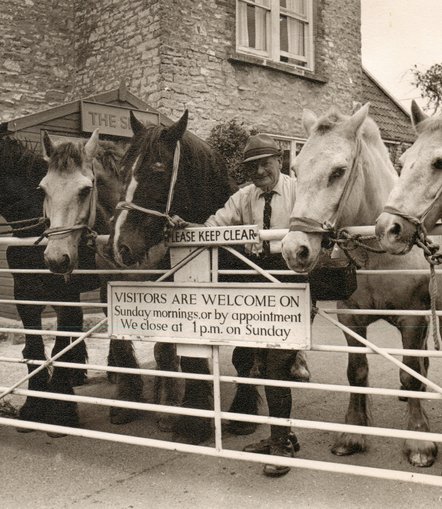
In 2000, Staunton Manor Farm began a new chapter when it opened as the HorseWorld Visitor Centre. For the next 14 years, the site welcomed thousands of families, school groups and supporters, offering people the chance to meet rescued horses up close and learn more about the charity’s work. The centre became a much-loved attraction, helping to raise awareness and inspire a new generation of horse lovers. However, as time went on, the cost of maintaining the historic Grade II listed buildings grew significantly. Essential repairs, structural upkeep and the specialist work required for protected buildings placed increasing financial pressure on the charity. Eventually, these rising expenses meant the Visitor Centre could no longer be sustainably operated, and it closed in 2014. Although HorseWorld is no longer open to the public on a daily basis, the charity continues to welcome supporters through regular Open Days at Keynes Farm. These special events offer a behind-the-scenes look at HorseWorld’s rescue and rehabilitation work and are listed on the events page.
HorseWorld today
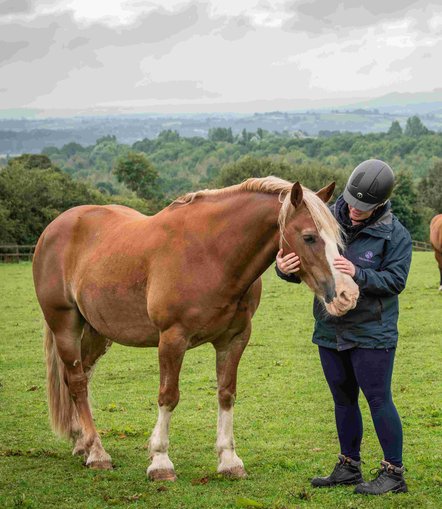
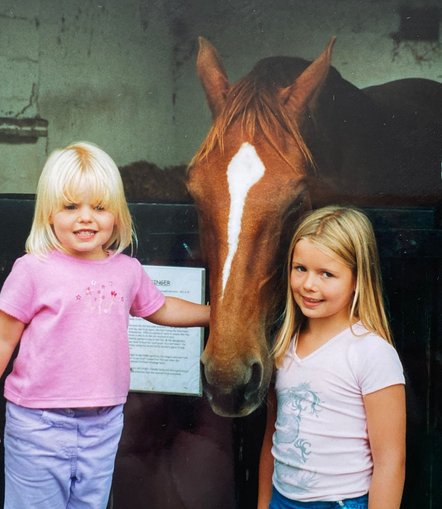
Although there are fewer working horses today, the need for our services has never been greater. Record numbers of horses are being abandoned, cruelly treated or neglected. We work with organisations such as the RSPCA, and the police to rescue these poor animals who would otherwise face a bleak future. Whereas in the early years of the charity, the horses were mainly older animals, ready for retirement. Nowadays, they can be any age and some are even born at HorseWorld if we rescue pregnant mares. This meant that our 180-acre sanctuary space was running out, so in the year 2000 we started our rehoming programme. Thanks to this approach, we are now able to care for many more horses than ever before. Rescued horses go through a tailored rehabilitation and training process to prepare them for their lives ahead to give each horse the time it needs to regain health and confidence before it goes on to start a new life. This may be in a loving loan home, living here as a sanctuary horse or working on our Discovery programme, helping vulnerable young people through equine-assisted learning.