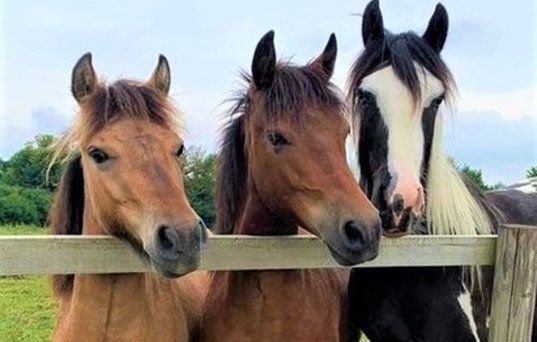

Bringing a new horse home is an exciting and rewarding moment, but it can also be a significant change for both you and your horse. With the right preparation and a calm, thoughtful approach, you can help your new companion settle safely and confidently into their new environment.
At HorseWorld, we know that every horse is an individual. Taking the time to understand their needs and giving them space to adjust will set you both up for a strong and trusting partnership.
Matching horses and management needs
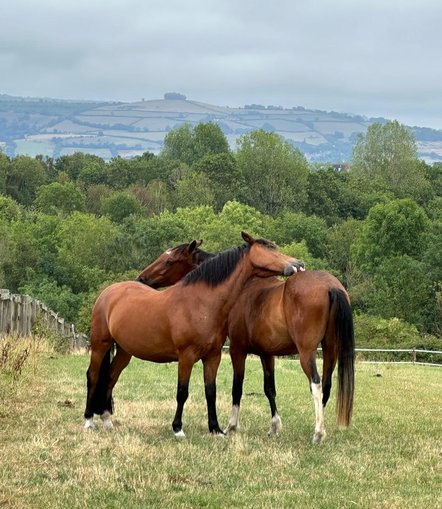
Before introducing a new horse to your yard, it’s important to consider whether their needs and temperament are compatible with your existing horses and facilities. For example, a small pony prone to weight gain and laminitis may struggle to live alongside a Thoroughbred that needs access to rich grazing to maintain weight. A playful young horse may overwhelm an elderly companion who prefers a quieter lifestyle. Horses rely on social interaction for their wellbeing, so ensuring that companions can safely share space and engage in natural behaviours such as grazing together or mutual grooming is key to keeping horses healthy and happy.
Putting support in place
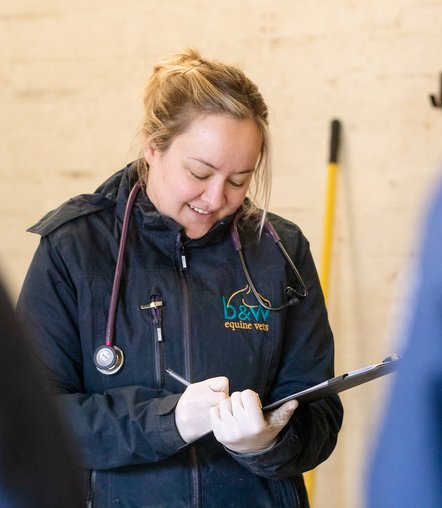
Having a professional support network ready before your horse arrives will make the transition much smoother, especially if you are new to horse ownership or returning after a break.
We recommend arranging the following in advance:
- An equine vet
- A qualified farrier
- An equine dentist
- A reliable hay or forage supplier
- Suitable insurance policy
Knowing that these professionals are available to take you on as a new client gives you peace of mind and ensures you can respond quickly when your horse needs care. If you are renting a space at a livery yard, introducing yourself to other clients and becoming familiar with the yard’s policies, procedures, and daily routines will help make the transition much smoother for both you and your horse.
Preparing your yard
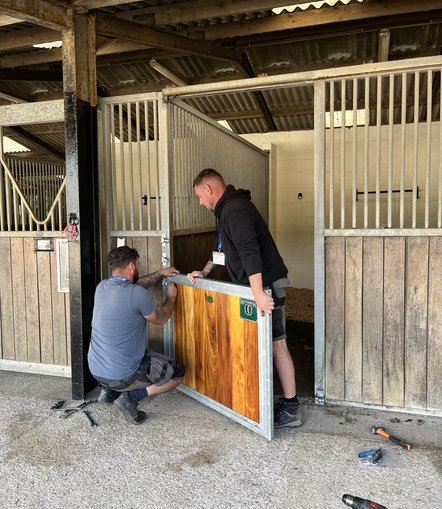
Even if your current horses have lived happily in your setup for years, a new horse is likely to explore more actively and may test boundaries while they learn about their new surroundings. Taking time to prepare your yard in advance will help reduce the risk of injury and make the transition less stressful for everyone involved.
Before your horse arrives:
- Check fencing, gates, and stable doors for strength and safety
- Walk your fields to look for holes, debris, or anything that could cause injury
- Ensure stable flooring, bedding, and turnout areas are safe and comfortable
If your new horse is currently on hard feed, make sure you have the same feed available so you can avoid sudden dietary changes at the same time as the stress of moving. Gradual feed transitions are kinder on the digestive system and can help prevent stress-related gut issues. Some owners also choose to support their horse with a pre- and probiotic supplement during this period to help maintain a healthy gut microbiome.
Planning for safe introductions
If the new horse is known to kick and is shod, it may be worth discussing the temporary removal of hind shoes with your farrier or vet before introductions. This can help reduce the risk of injury if horses react defensively when first meeting.
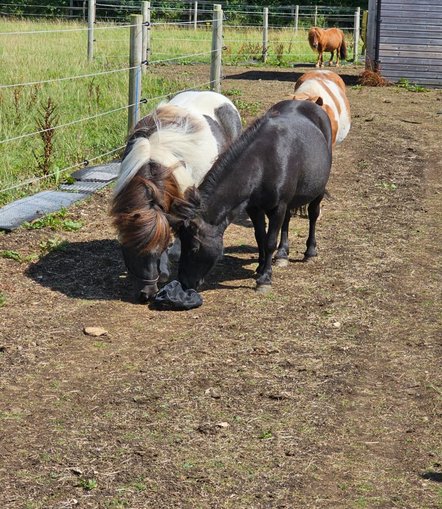
Horses rely heavily on scent to gather information about one another. You can help them prepare for introductions by allowing them to become familiar with each other’s smell in advance. Swapping a small amount of bedding, rubbing a cloth over each horse and offering it to the other to sniff, or even exchanging small amounts of manure can help them recognise one another before they meet in person and may make the initial introductions calmer.
Quarantine and health considerations
You may need to consider whether a short quarantine period for your new horse is required. This helps reduce the risk of introducing infectious diseases or parasites to your existing horses. During this time, your new arrival can be monitored for signs of illness and receive any worming or vaccinations, as advised by your vet. Even a brief period of separation, where horses cannot touch but can still see each other, can make a significant difference in protecting the health of the whole yard.
Introducing horses safely
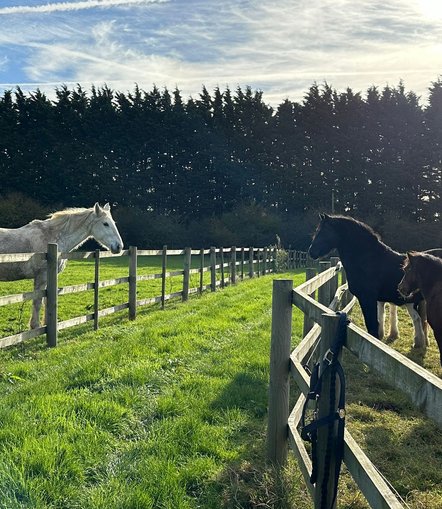
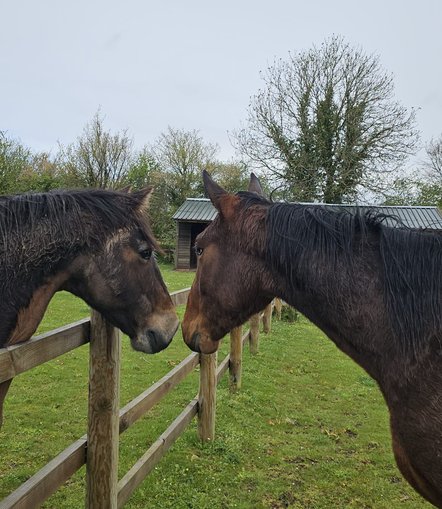
Introducing horses slowly and in a controlled way reduces the risk of injury and stress. Ideally, horses should first be placed in neighbouring paddocks so they can see, smell, and interact with each other over a fence. This allows them to communicate safely while excitement levels are still high. If this isn’t possible, a stable, arena, or securely fenced area can be used to create a safe barrier between them.
Once the horses appear relaxed (watch for grazing, eating, or standing quietly near each other), you can begin to swap their spaces so they can investigate each other’s scent and become familiar with the surroundings without pressure. After this, you can introduce them to a shared space.
When introducing a single horse to a larger herd, it can be best to:
- Introduce them to one calm horse first
- Allow that pair to settle
- Gradually introduce them to the rest of the group
This staged approach helps prevent the newcomer from feeling overwhelmed and is often how we help new arrivals settle into life at HorseWorld.
When horses are turned out together for the first time:
- Do so earlier in the day so you can observe them
- Provide multiple, well-spaced forage piles so all horses have access to food without competition
Some chasing, squealing, or minor scuffles are normal as horses establish their social order. However, you should always be prepared to separate them if interactions become unsafe.
Helping your horse settle into their new routine
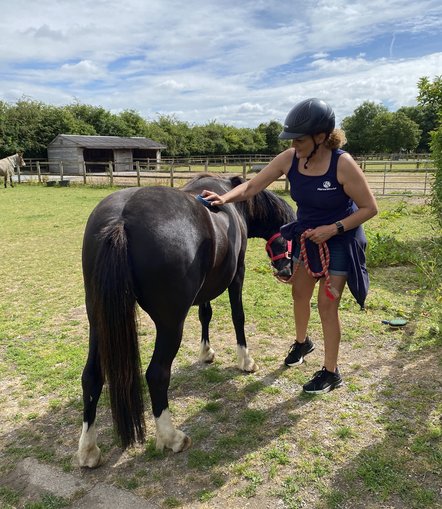
Horses find comfort in routine. If possible, try to follow a similar daily schedule to the one your horse was used to previously, gradually introducing changes over time. Take time to build a bond through low-pressure activities such as grooming, gentle massage, and simply spending time in their presence. Avoid rushing into ridden work; instead, begin with groundwork to build trust and allow you both to get to know each other.
Monitor for signs that all is not well, such as:
- Minor injuries such as bites or kicks
- Changes in appetite
- Signs of anxiety, isolation, or unusual behaviour
If you plan to ride one horse away from others, begin practising very short separations early on. Gradually increasing these short absences can help prevent separation anxiety later down the line.
Understanding the “Honeymoon Period”
Many horses appear quiet or compliant in their first few weeks in a new home. This is often called the honeymoon period. Rather than being fully settled, some horses are actually overwhelmed and unsure how to respond to their new environment. As they begin to feel safer, their true personality and behaviour will start to emerge. This is completely normal and an important part of the adjustment process.
In some cases, previously stressful or inconsistent handling may have led to a behaviour known as learned helplessness, where a horse appears very passive. As confidence grows, you may see more expression, curiosity, or even challenging behaviours as they begin to feel able to communicate their needs. Physical issues can also be exacerbated by a move, so it is worthwhile arranging health checks if any concerns arise.
Sleep, stress, and adjustment
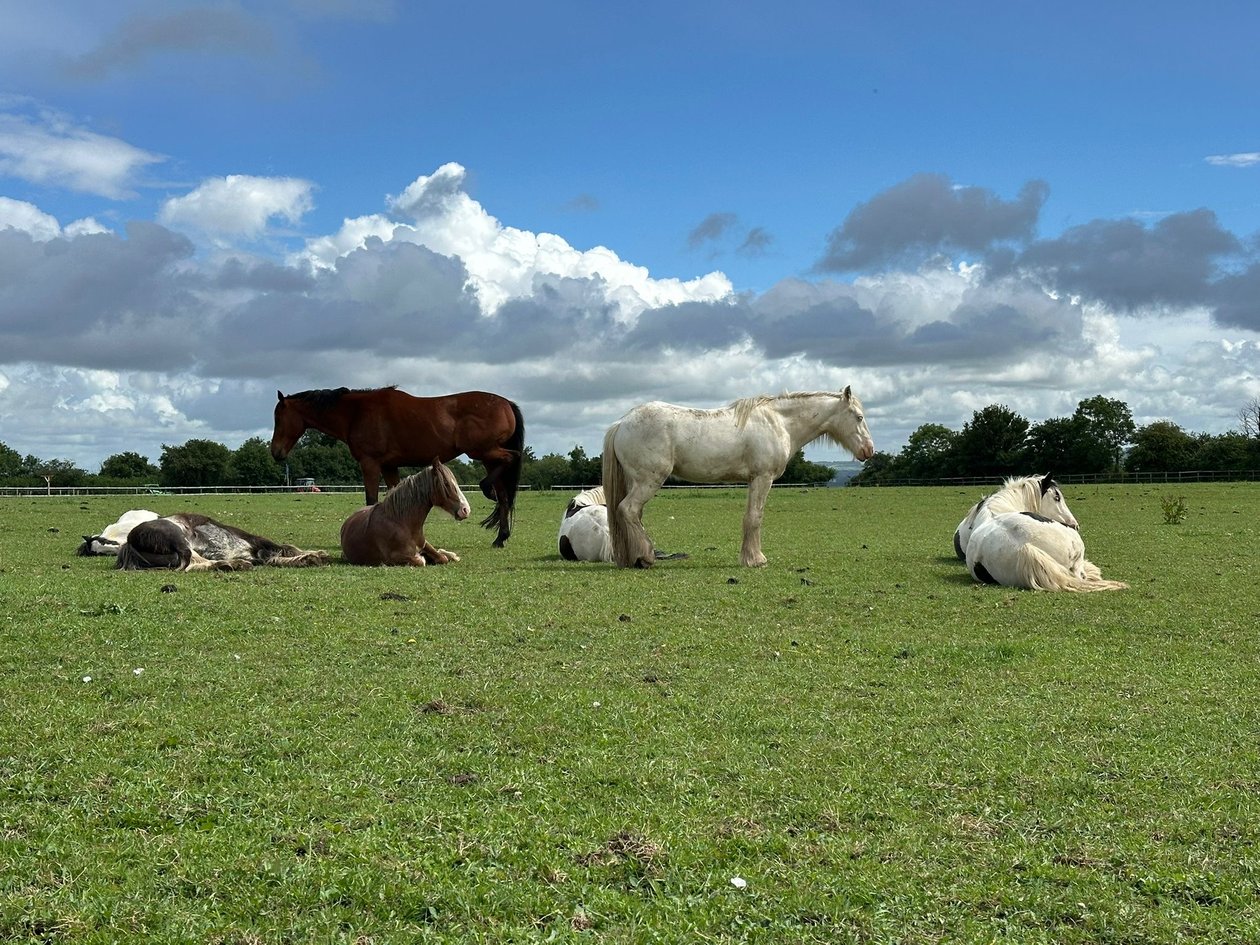
Horses need to feel safe enough to lie down in order to achieve proper, restorative sleep. In a new environment, some horses may remain standing for longer periods because they are unsure of their surroundings. Lack of sleep can affect mood, behaviour, and performance, so it is important not to rush your horse back into their previous workload. Giving them time to rest and settle will support both their physical and emotional wellbeing.
Giving It time
At HorseWorld, we often remind our rehomers that it can take up to a full year to truly get to know a new horse. Over that time, you will see how they respond to different seasons, routines, companions, and workloads. This period of learning about each other is part of building a lasting and rewarding relationship. With patience, consistency, and kindness, most horses adapt well and go on to thrive in their new homes.
Could you rehome a rescue horse or pony?
At HorseWorld, we have a number of rescue horses and ponies looking for new homes. Each horse has so much to offer: love, loyalty, and a unique personality waiting to shine in the right home. By giving a horse a forever home, you also free up space at our rescue and rehabilitation site, allowing us to help even more horses in need.
Meet our horses available for rehoming