
Horses are remarkably resilient, but prolonged periods of hot weather can quickly become dangerous. In the UK, sudden periods of extreme heat can present an additional challenge because horses often don't have time to adapt to changing conditions.
Hot days are a great opportunity to build on your relationship with your horse by swapping ridden work for groundwork, grooming, in-hand grazing or simply spending time together in the shade. Your horse won't lose fitness from one or two quieter days, and they'll probably appreciate the break.
Whether your horse lives out, is stabled, retired or in work, a few simple precautions can make a huge difference.
Why hot weather can be dangerous for horses
Unlike people, horses rely heavily on sweating to cool themselves down. As sweat evaporates, it removes heat from the body. However, when temperatures rise rapidly—or humidity is high—this natural cooling system becomes much less effective.
The result can be dehydration, heat stress and, in severe cases, life-threatening heatstroke.
Older horses, foals, overweight horses, those with thick coats, underlying health conditions or horses in regular work are particularly vulnerable and may require closer monitoring during hot spells.
Hydration
One of the simplest ways to protect horses during hot weather is ensuring they have constant access to fresh, clean water. A typical 500kg horse drinks around 25 litres of water each day in normal conditions, but during hot weather this can increase significantly. Check water troughs and buckets regularly throughout the day, particularly in fields where algae, debris or warm temperatures can reduce water quality.
Owners can also help increase water intake by:
- Dampening or soaking hay where appropriate.
- Feeding wet feeds or mashes.
- Providing salt licks.
- Using electrolyte supplements for horses working or sweating heavily under veterinary or nutritional advice.
Some horses also drink more readily when offered a second bucket flavoured with a splash of unsweetened apple juice, peppermint tea or a handful of fresh mint leaves. Always provide plain, fresh water alongside flavoured water, and consider placing multiple water sources around the field, including some in shaded areas, to encourage regular drinking.
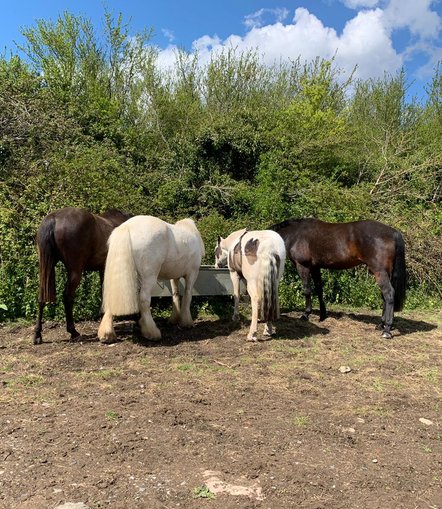
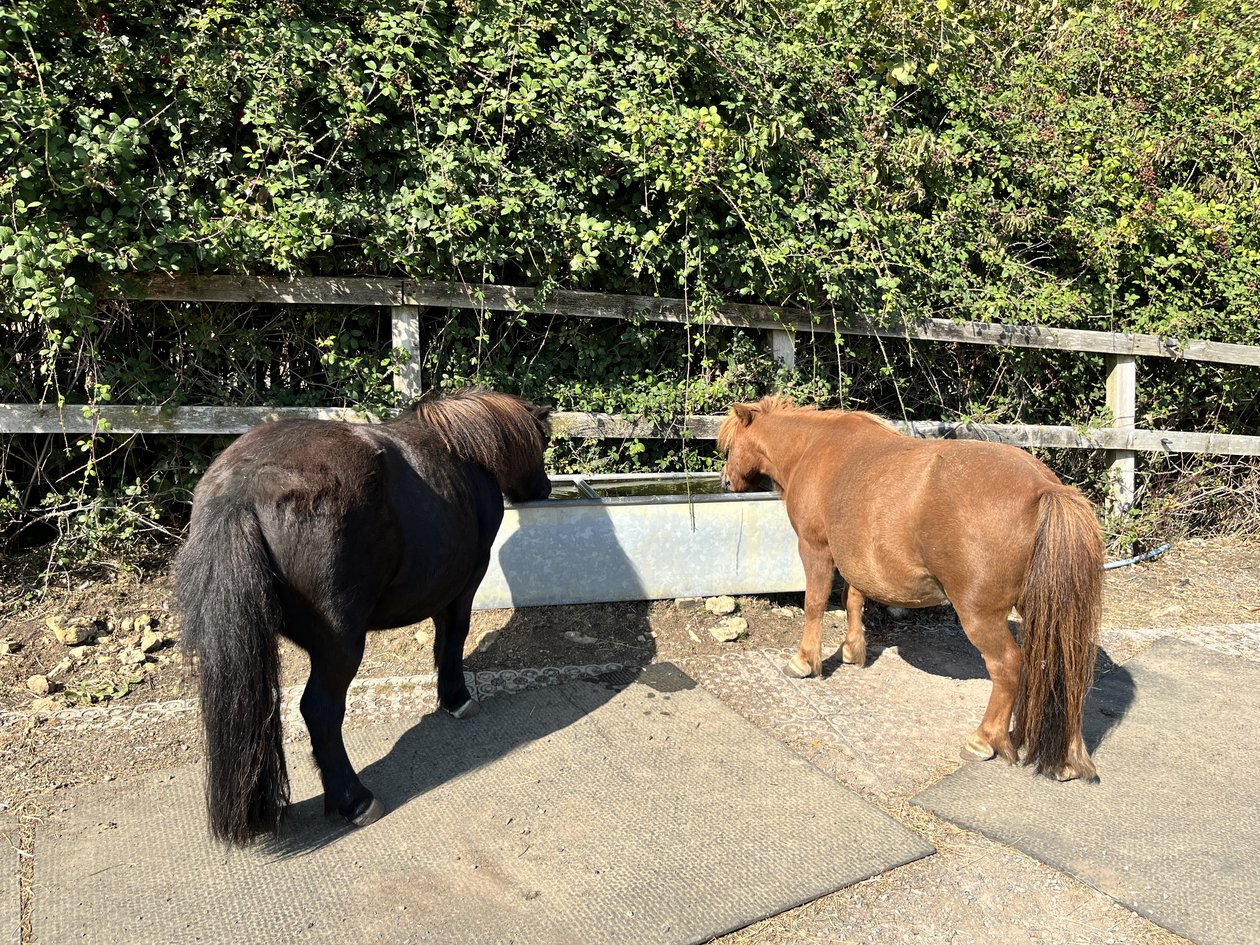
At HorseWorld, we've been using an ISOBAR 250 water trough generously donated by Jelka Group to help keep our rescued horses hydrated all year round. The insulated trough is ideal for locations without electricity or running water and is designed to help prevent water from freezing in winter while keeping it cooler in warmer weather.
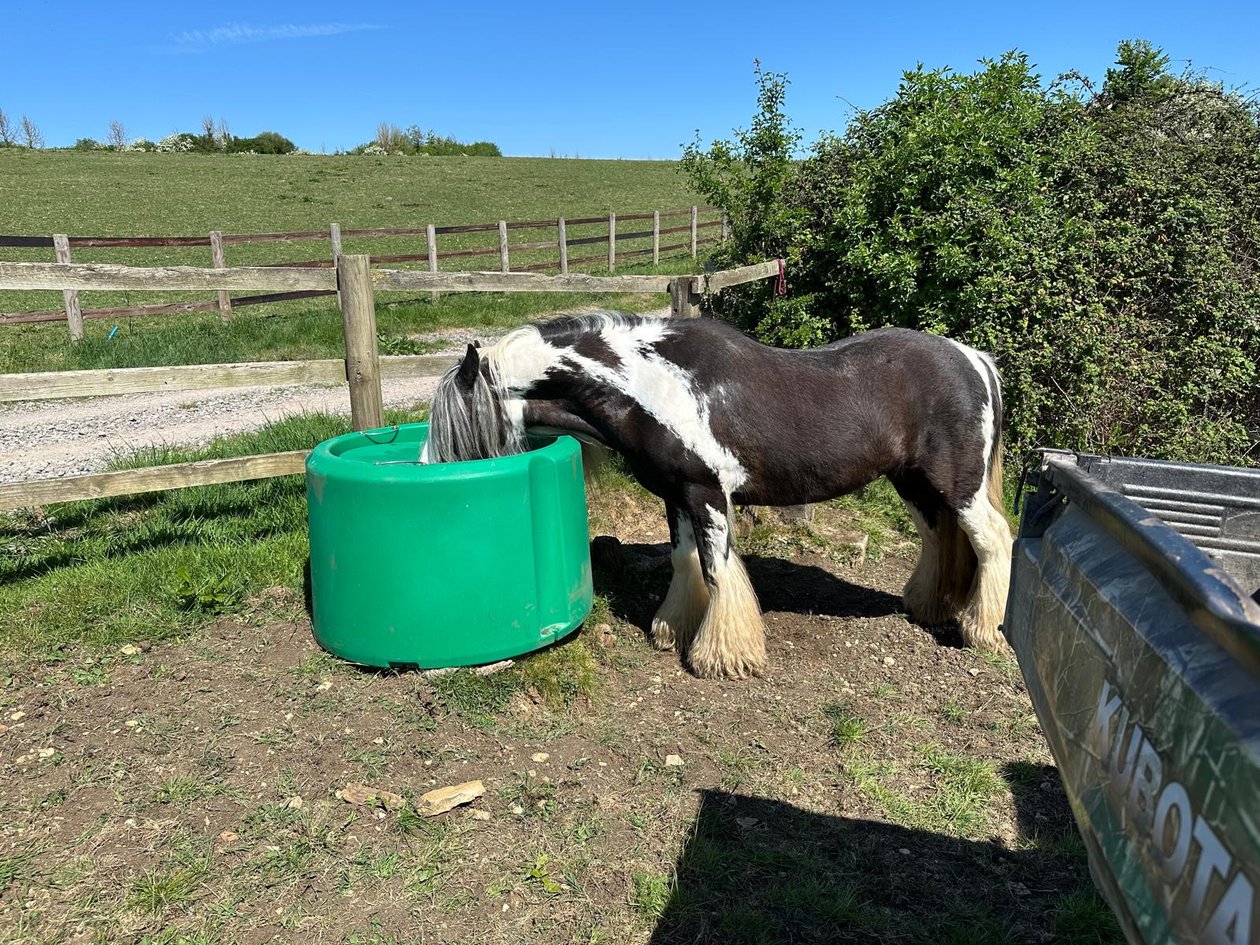
One of our rescued ponies drinking out of the Jelka ISOBAR 250 water trough
Shade and ventilation
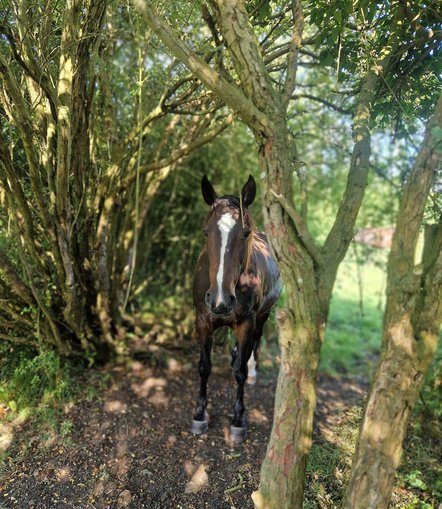
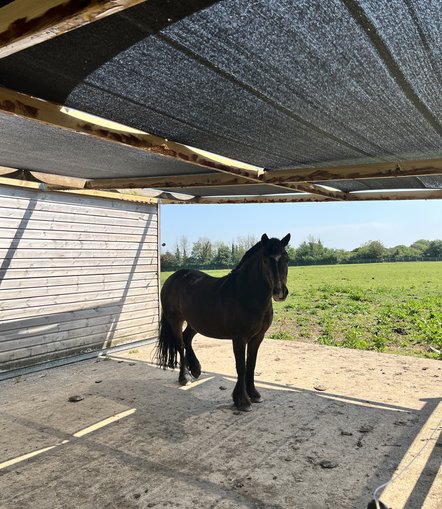
Access to shade is essential during hot weather, but good ventilation is just as important. Natural tree shade is often the best option, providing both protection from the sun and better airflow to help horses stay cool.
Well-ventilated shelters, stables and barns can also provide relief from the heat, but avoid hot metal buildings or enclosed spaces with poor airflow, as these can become dangerously warm. Fans can help improve air circulation in stables, increasing airflow and supporting your horse's natural cooling process.
Horses cool themselves by sweating, and moving air helps that sweat evaporate more quickly, removing heat from the body. That's why a breezy field with natural shade can often be cooler and more comfortable than a hot, stuffy stable. If given the choice, many horses will naturally seek out the shade of trees, where the combination of cooler temperatures and circulating air offers the greatest comfort.
Exercise and travelling
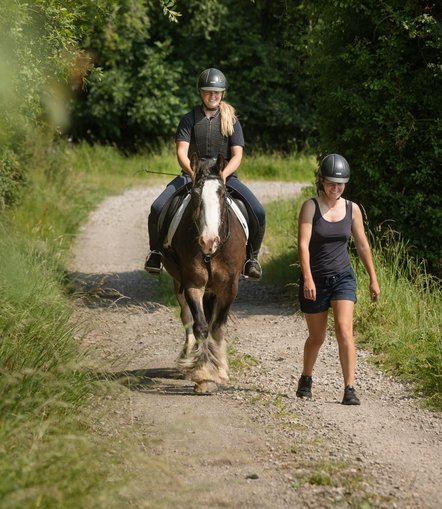
Hot weather doesn't necessarily mean horses cannot be exercised, but routines should be adapted. Early mornings and late evenings are usually the safest times to ride, while the hottest part of the day should be avoided.
During warmer weather:
- Reduce the intensity and duration of exercise.
- Build in more walking breaks.
- Extend warm-up and cool-down periods.
- Carry water on longer hacks.
- Avoid unnecessary travelling.
If temperatures are exceptionally high, swapping ridden work for groundwork, grooming or simply spending quiet time together can benefit both horse and owner. A couple of easier days will not significantly affect your horse's fitness. Travelling can be harder on horses than exercising. Horseboxes and trailers can become extremely hot, even with good ventilation. If possible, travel during the coolest parts of the day and allow plenty of opportunities to offer water. As a general rule of thumb, if you feel uncomfortably hot standing still, your horse will almost certainly find exercise and travelling even more challenging too.
Cooling
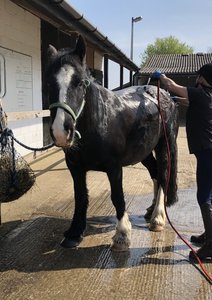
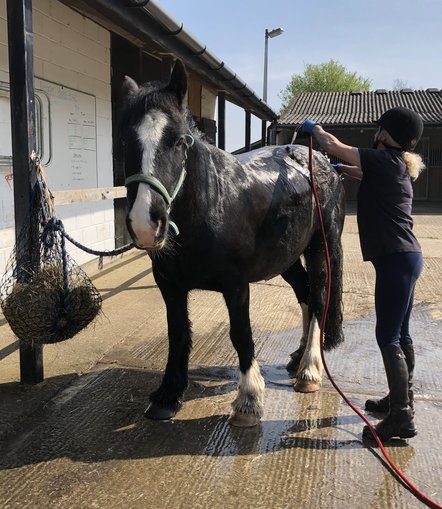
One of the biggest myths in the horse world is that cold water should not be used on a hot horse. Current research tells us the opposite. Applying plenty of cold water is one of the quickest and safest ways to reduce a horse's body temperature. Even better, owners no longer need to scrape the water off immediately. Leaving the water on allows evaporation to continue removing heat from the horse's body. Where hosepipes aren't available, buckets, sponges or portable camping showers can also provide effective cooling.
Humidity
It's not just the temperature you need to watch—humidity can make hot weather even more challenging for horses.
Horses cool themselves mainly by sweating, but on humid days sweat evaporates much more slowly, making it harder for them to lose excess body heat. This means horses can be at risk of overheating even when temperatures don't seem exceptionally high, so it's important to monitor them closely and adjust their routine if needed.
Sun protection
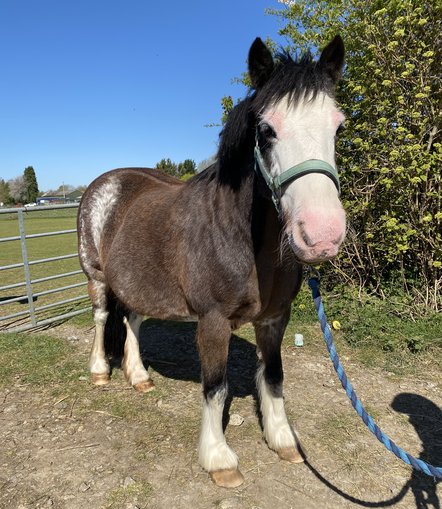
Just like people, some horses are more vulnerable to the sun than others. Horses with pink skin, particularly around the nose, eyes and heels, are at greater risk of sunburn, especially during periods of high UV.
Help protect your horse by:
- Applying horse-safe sun cream to vulnerable areas.
- Using a fly mask with UV protection.
- Using a lightweight fly sheet if additional protection is needed.
- Providing access to shade throughout the day.
During periods of very high UV, some horses may benefit from spending the hottest part of the day in a well-ventilated, shaded stable or shelter. For horses with pink skin on their face, a UV-protective fly mask offers the added benefit of shielding both the skin and eyes from harmful sun rays.
Recognising Heat Stress
Most horses cope well with warm weather when sensible precautions are taken, but some are more vulnerable than others. Older horses, very young horses, those with underlying health conditions or thick coats, and horses working in hot weather may all need extra monitoring.
Even with the best preparation and proactive care, horses can still struggle in extreme heat. Knowing the early signs of heat stress means you can act quickly before it becomes a serious emergency. If you are ever in doubt, contact your vet immediately.
🟢 Comfortable
Your horse is likely coping well if they are:
- Bright and alert
- Eating and drinking normally
- Breathing comfortably
- Relaxed and responsive
🟠 Take Action
These signs suggest your horse may be struggling with the heat:
- Profuse or prolonged sweating
- Increased respiratory rate or heavy breathing
- Lethargy or signs of distress
- Less interested in food
- Seeking shade and reluctant to move
Move your horse into a cool, shaded, well-ventilated area and begin cooling them immediately with plenty of cold water. Offer fresh drinking water and continue to monitor them closely. If they do not improve quickly or you are concerned, contact your vet.
🔴 Call Your Vet Immediately
Seek veterinary advice without delay if your horse shows any of the following:
- Collapse
- Muscle tremors
- Weakness or stumbling
- An abnormally high body temperature
- Reluctance or inability to move
- Refusing to drink
- Confusion or unresponsiveness
- Little or no sweating despite being very hot.
- Dark or brick-red gums.
Begin cooling your horse while waiting for veterinary assistance. Rapid cooling can be lifesaving.
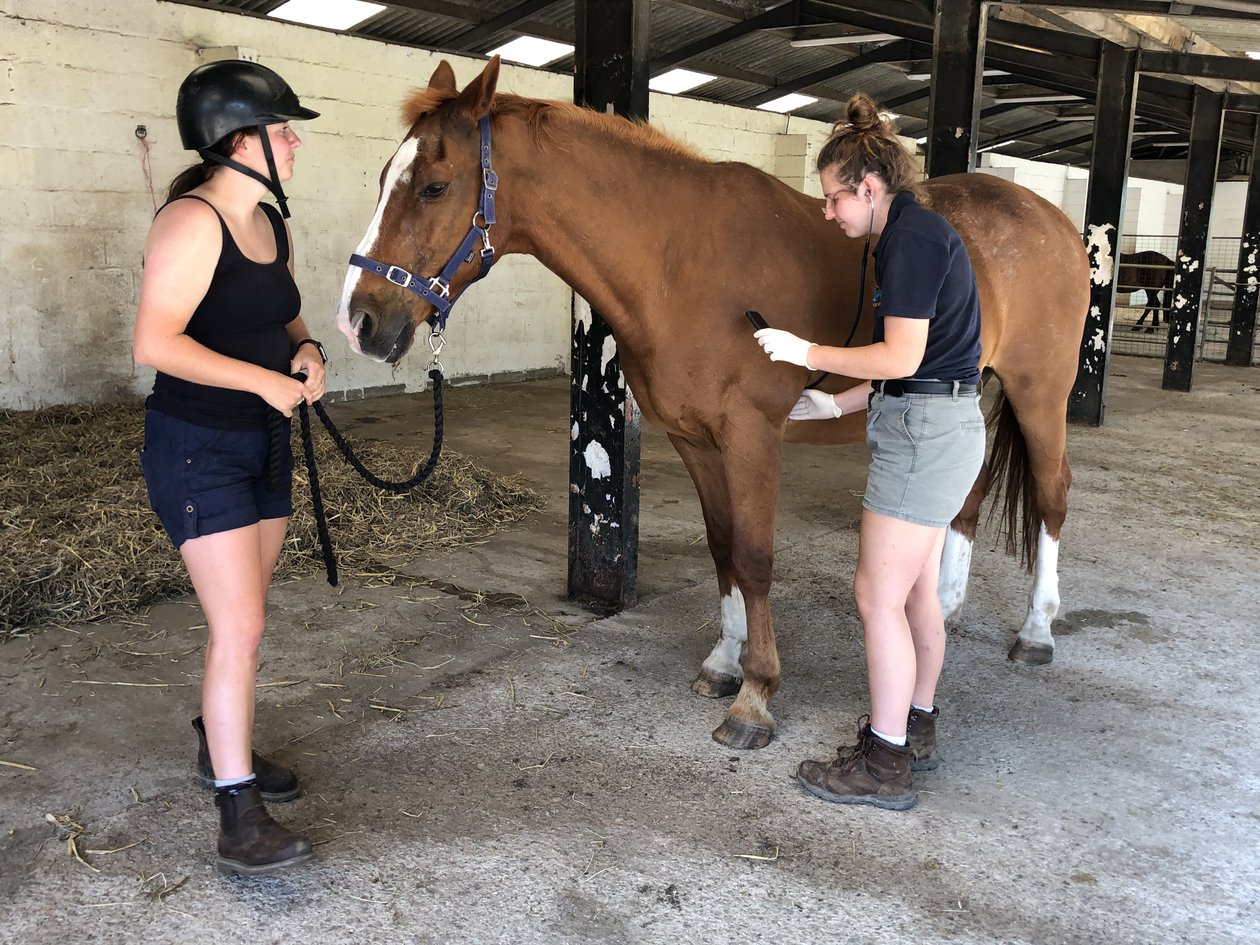
A HorseWorld Hot Weather Routine
If you can, try to adapt your routine in hot weather to help your horses stay safe, comfortable and cool:
🌅 Early morning: health checks, top up water, exercise if needed.
☀️ Midday: horses resting in shade, soaked hay, water buffets, extra monitoring.
🌤️ Afternoon: cooling baths or misting for vulnerable horses.
🌆 Evening: final health checks, refill troughs, exercise only if temperatures have dropped.
💡 HorseWorld Tips
Cold water won't harm a hot horse
One of the biggest myths in the horse world is that cold water causes shock or laminitis. Current research shows that cooling horses rapidly with plenty of cold water is one of the safest and most effective ways to reduce dangerously high body temperatures.
Dark-coated horses can absorb more heat
Dark-coloured horses absorb more heat from the sun than lighter-coloured horses. That doesn't mean every black horse will overheat, but they may become hotter in direct sunlight and appreciate extra shade and opportunities to cool down.
Long manes can make horses feel warmer
If your horse has a particularly long or thick mane, consider loosely plaiting it during hot weather. Lifting the hair away from the neck can improve airflow and help your horse feel more comfortable, especially on still or humid days. Avoid plaiting too tightly and remove plaits regularly to prevent rubbing or discomfort.
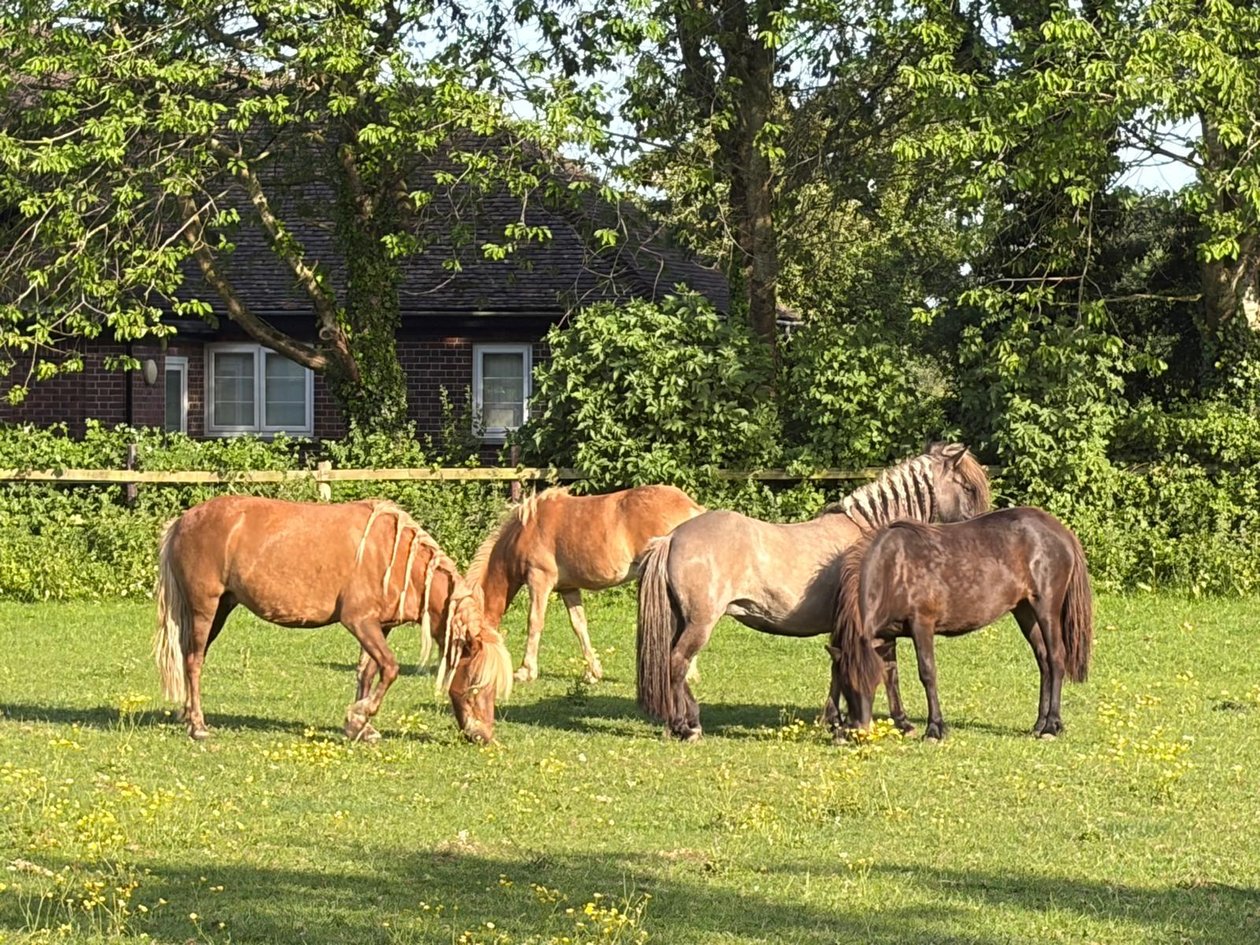
Don't forget the donkeys
Donkeys often hide signs of illness and discomfort more effectively than horses. During hot weather it's especially important to monitor their appetite, behaviour, breathing and water intake carefully, rather than waiting until they appear obviously unwell.
Every horse is different
Some horses cope better with hot weather than others. Age, fitness, body condition, workload and underlying health conditions all affect how well an individual horse can regulate its body temperature. Get to know what is normal for your horse so you'll be more likely to spot when something isn't right.
Be proactive!
Don't wait until your horse to become uncomfortable before starting to cool them. Early cooling is safe, effective and can prevent heat stress from becoming a life-threatening emergency.
Need More Advice?
If you have any questions about caring for your horse during hot weather, our Welfare Team is here to help. Contact us at welfare@horseworld.org.uk or call 01275 832067 for advice and support.
If you think your horse is suffering from heat stress or is showing signs of a medical emergency, begin cooling them immediately and contact your vet.